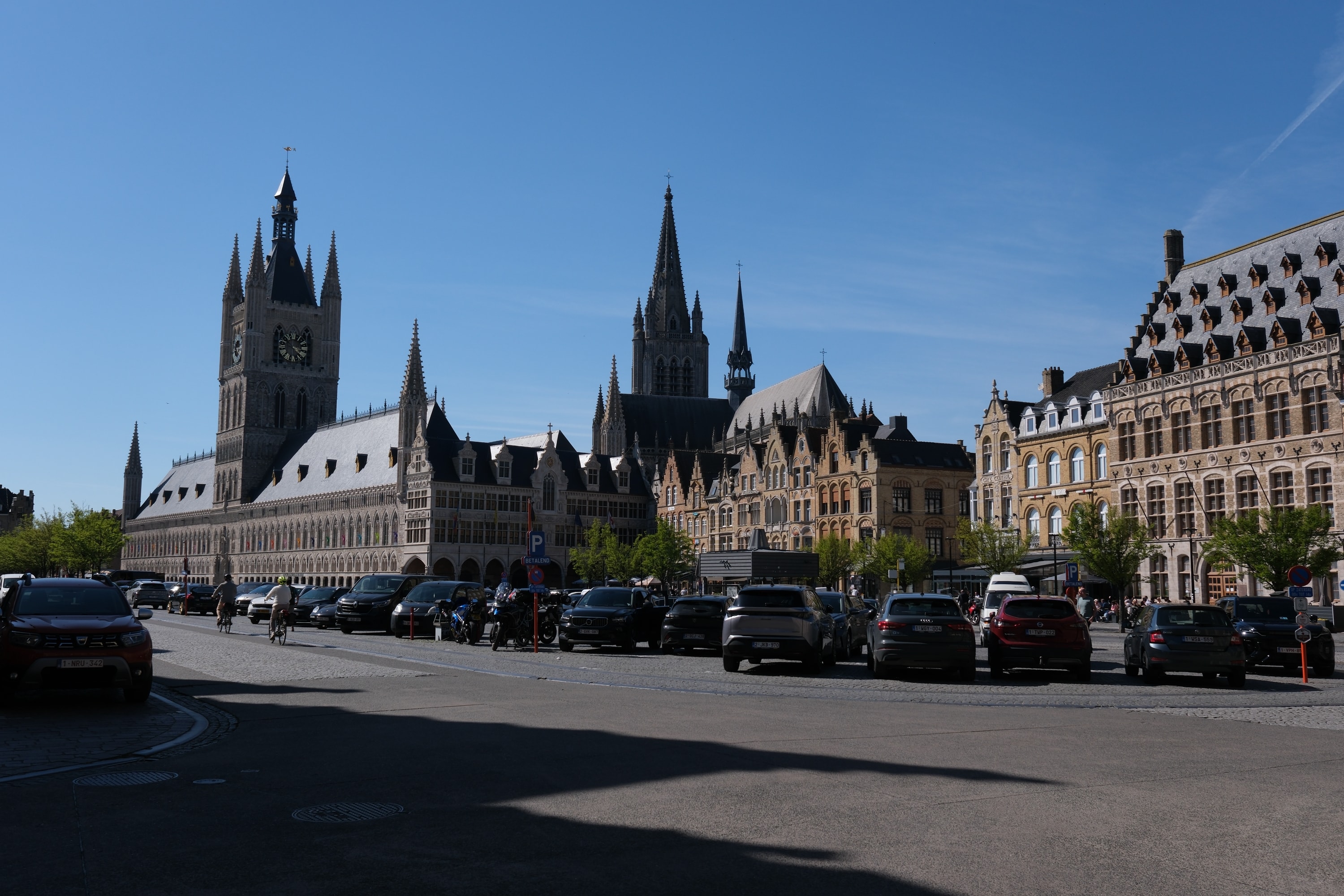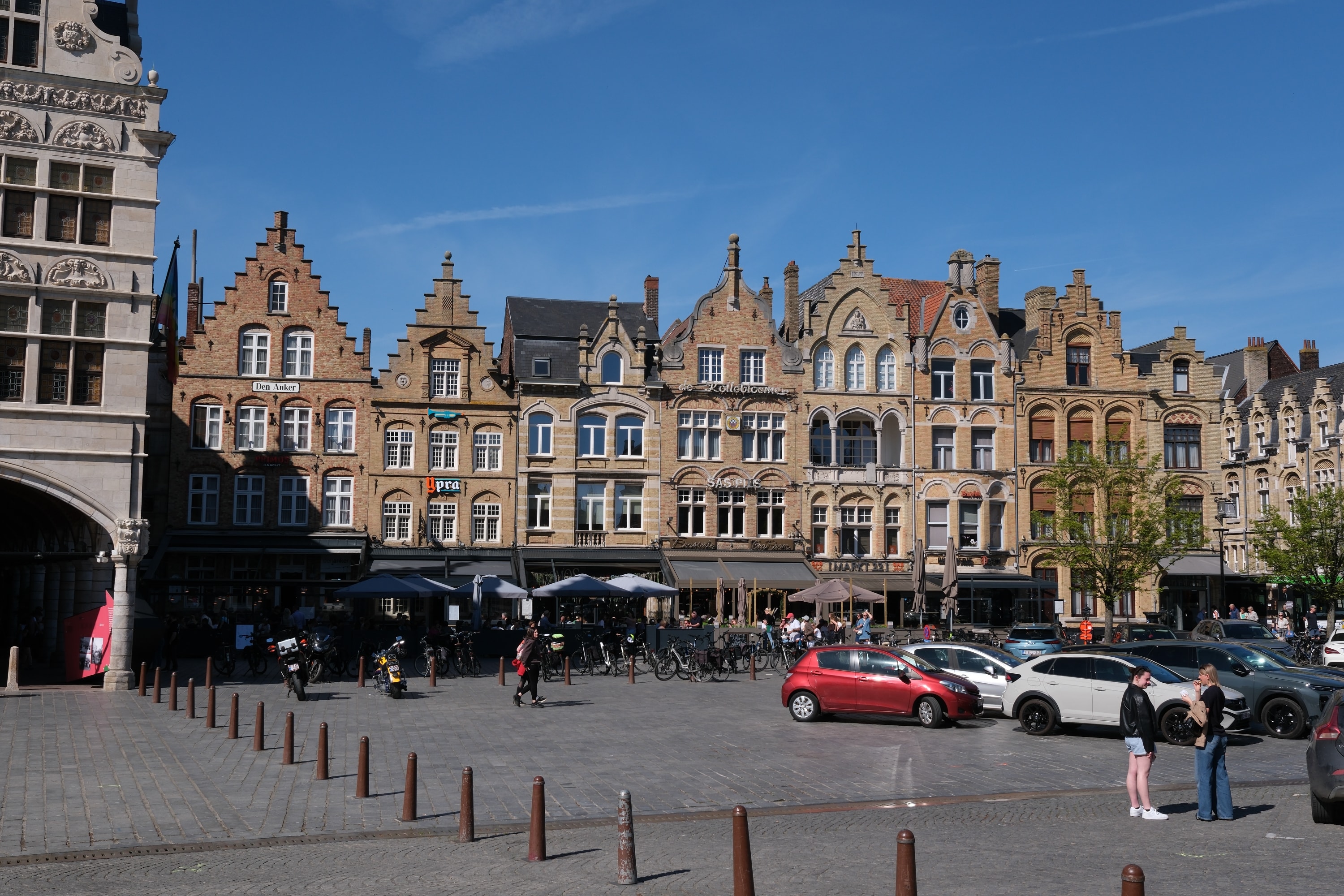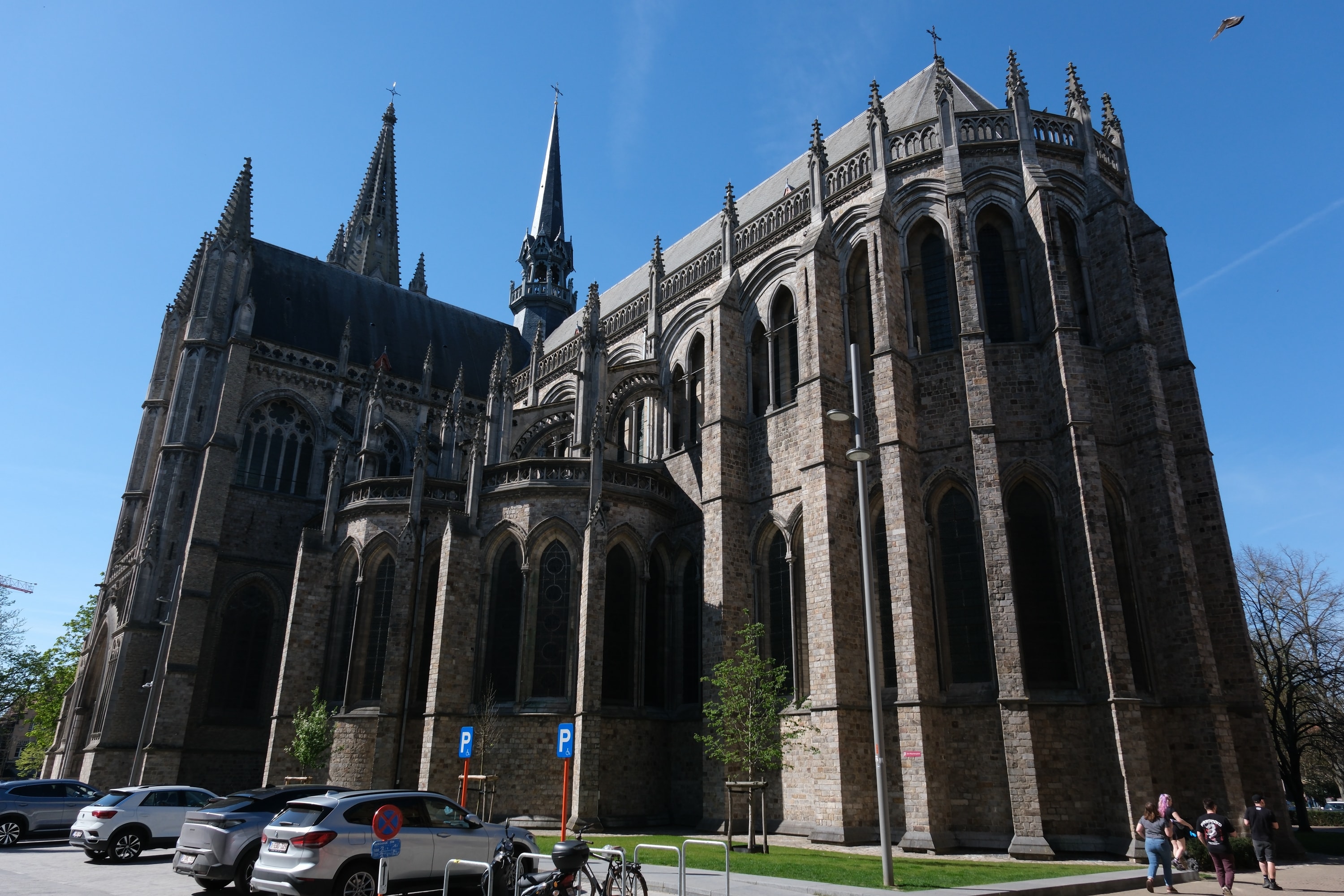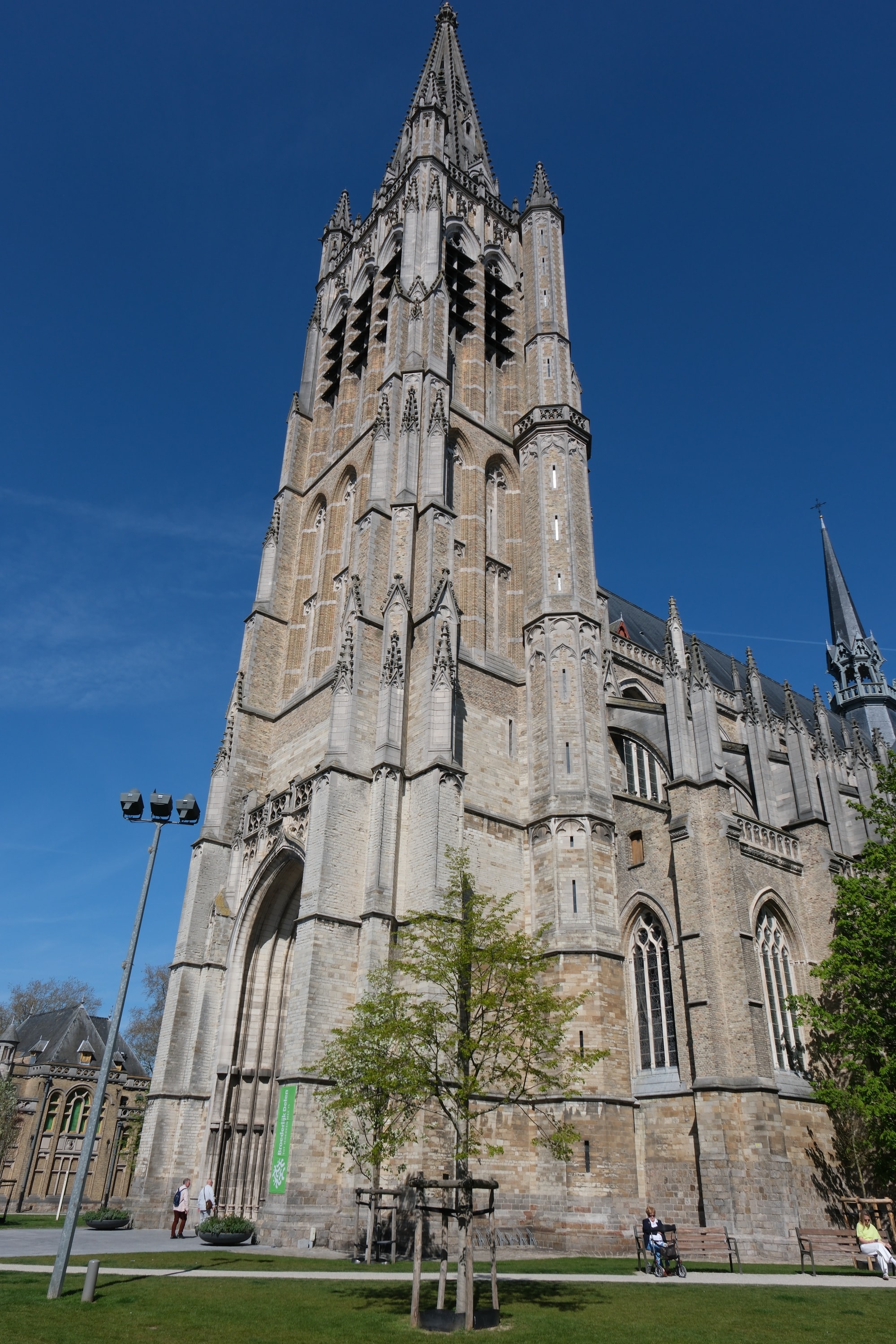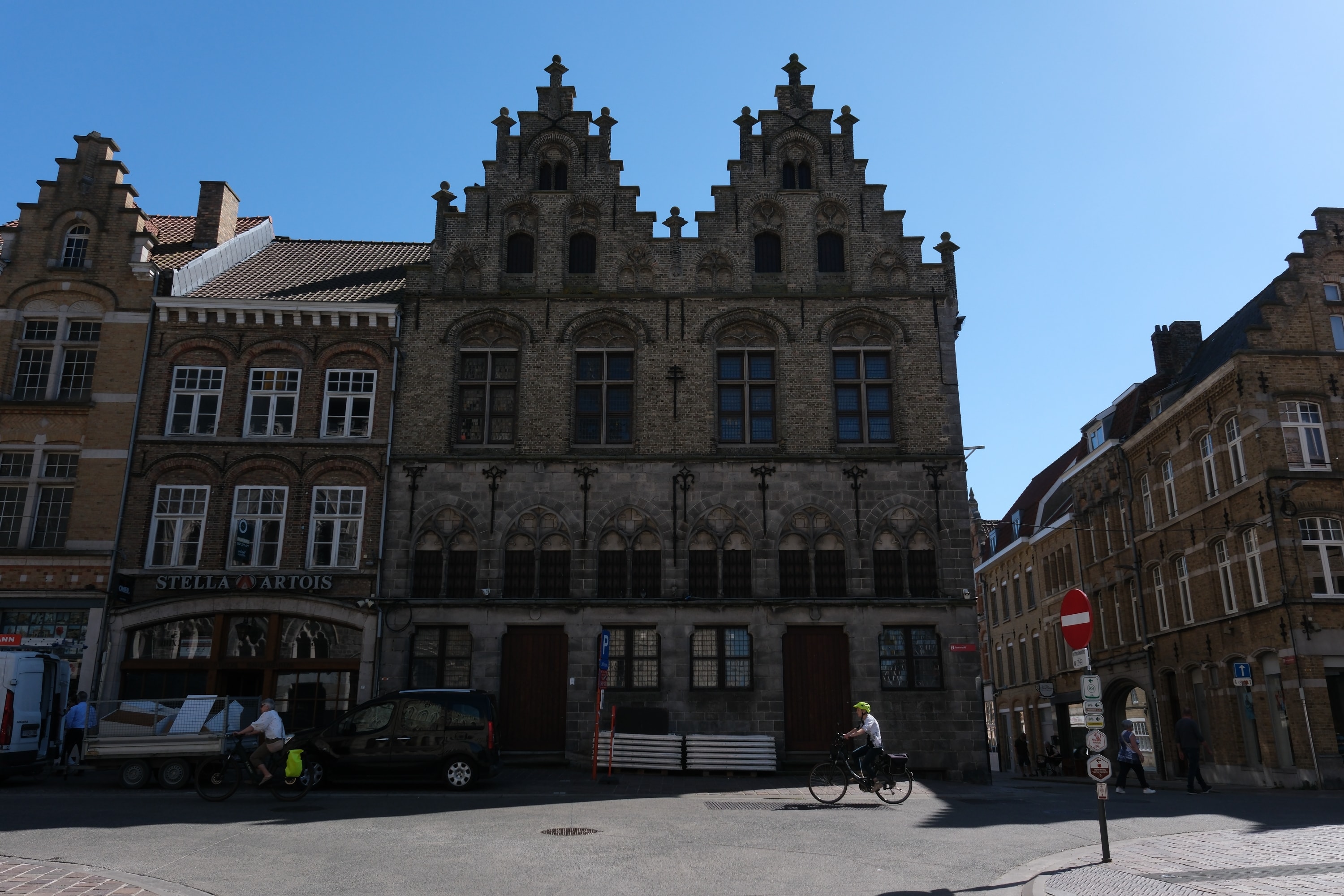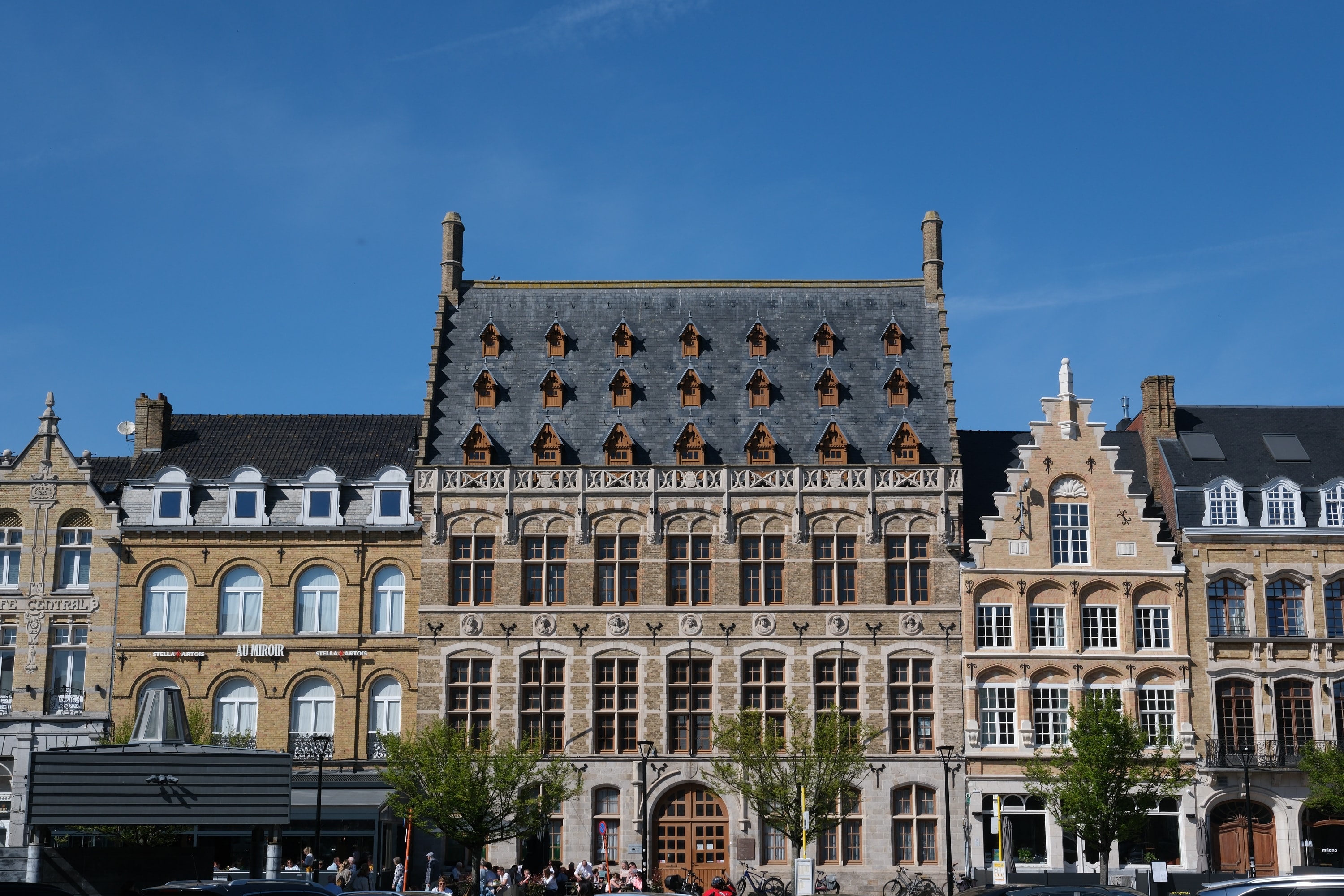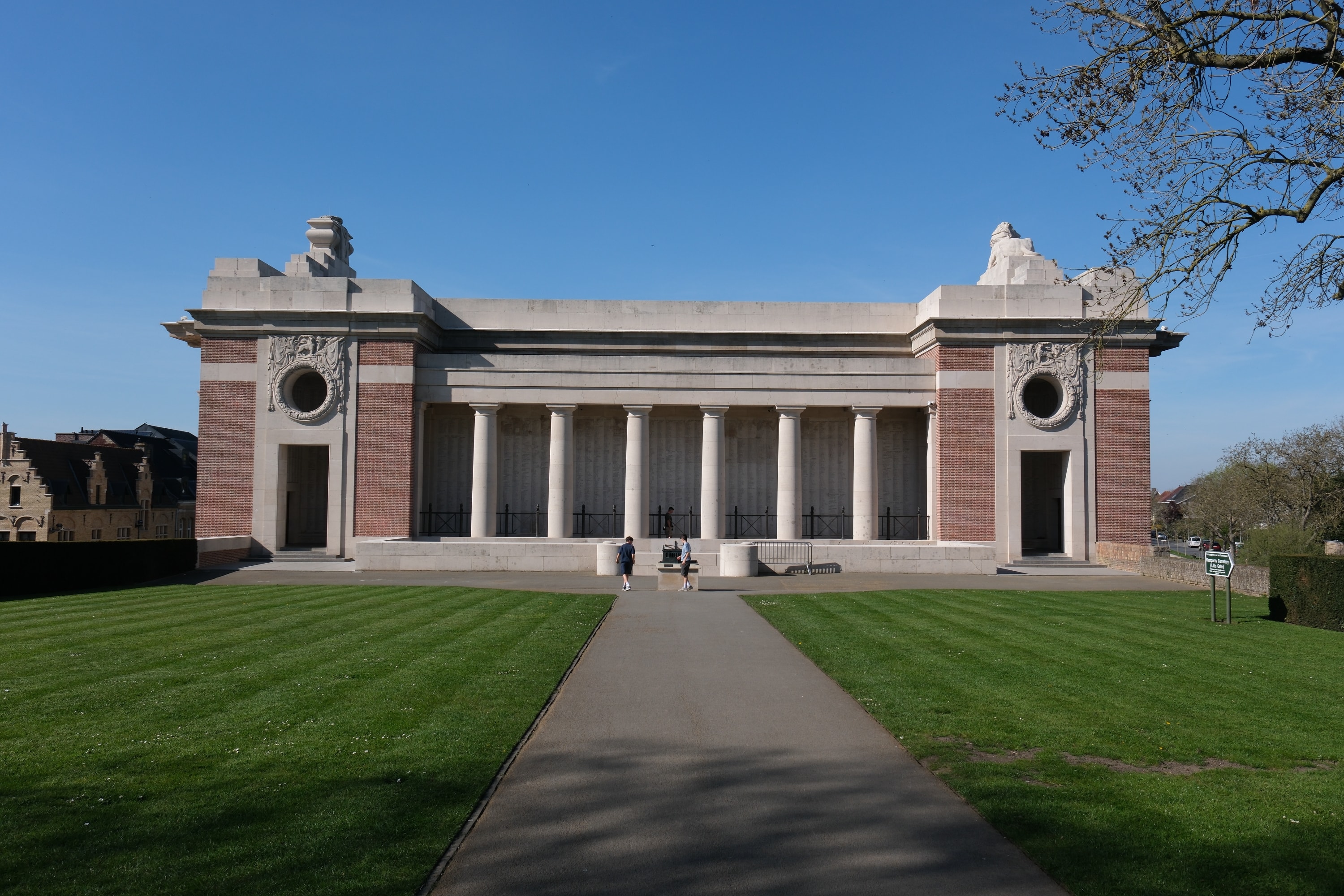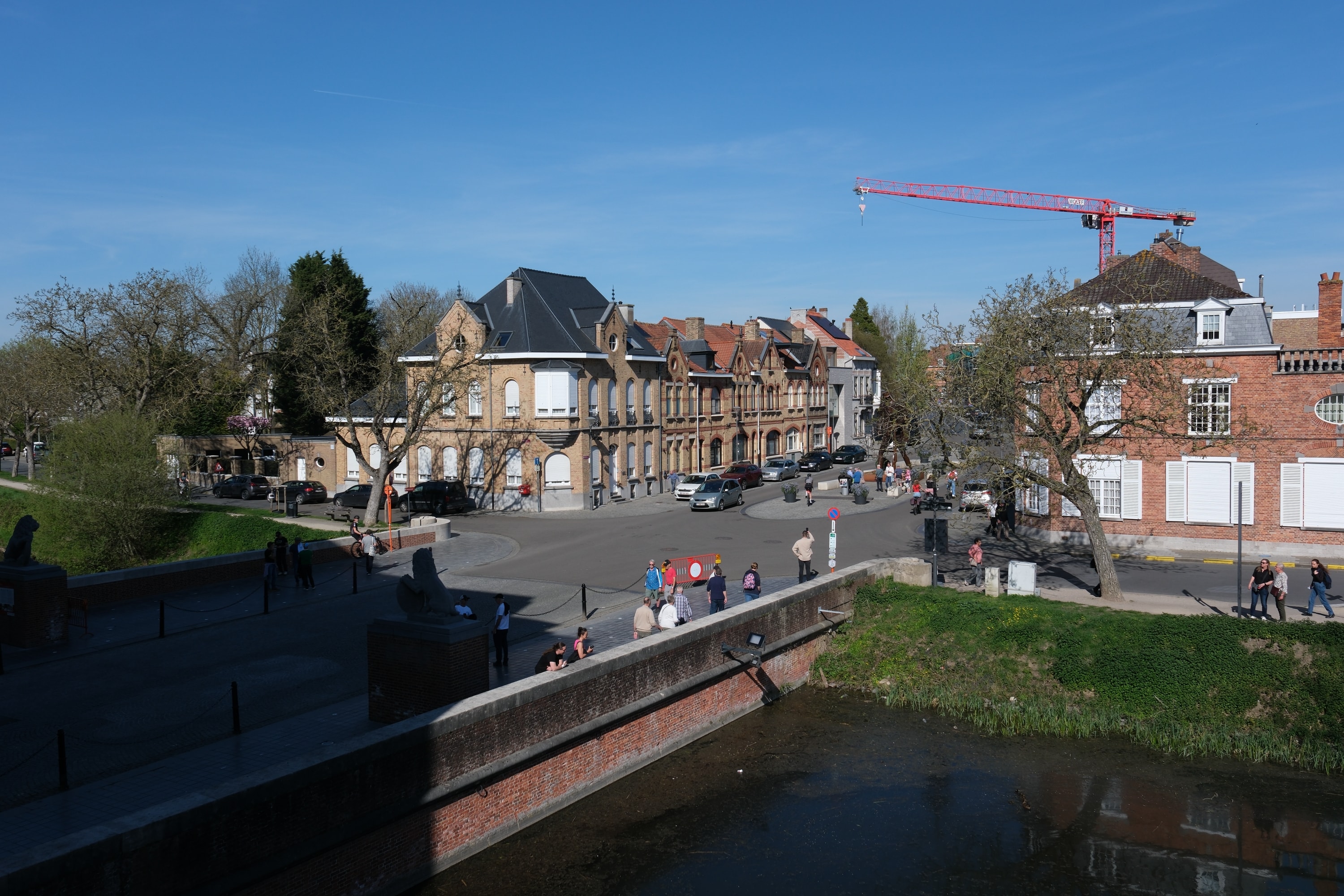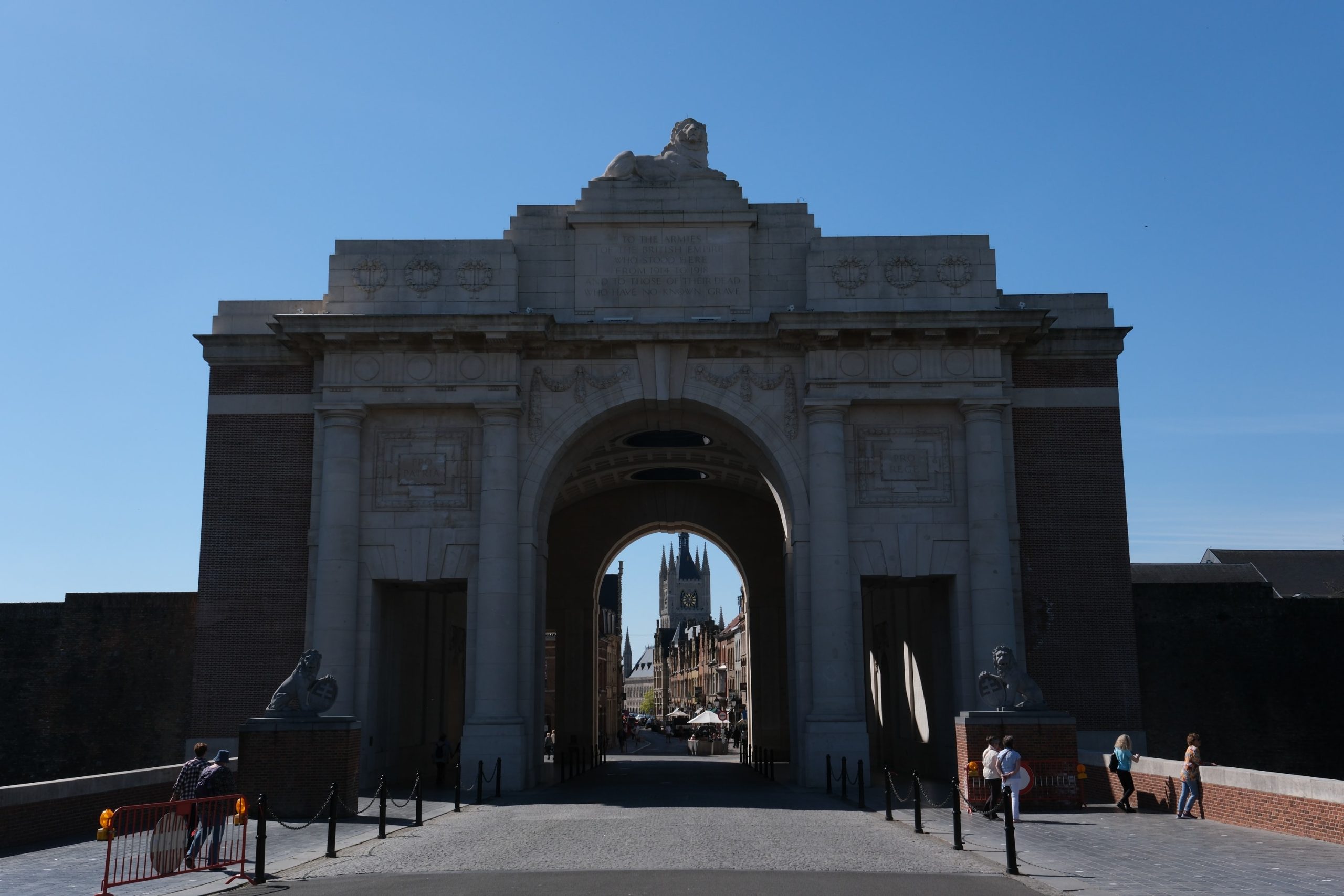
Ypres (Ieper) is a Belgian city and municipality in the province of West Flanders. Ypres occupied a strategic position during the First World War because it stood in the path of Germany’s planned sweep across the rest of Belgium and into France from the north (the Schlieffen Plan). Ypres (or ‘Wipers’ as it was commonly known by the British troops) was the centre of the Battles of Ypres between German and Allied forces. Of the battles, the largest, best-known, and most costly in human suffering was the Third Battle of Ypres (31 July to 10 November 1917, also known as the Battle of Passchendaele). During the course of the war the town was all but obliterated by the artillery fire.
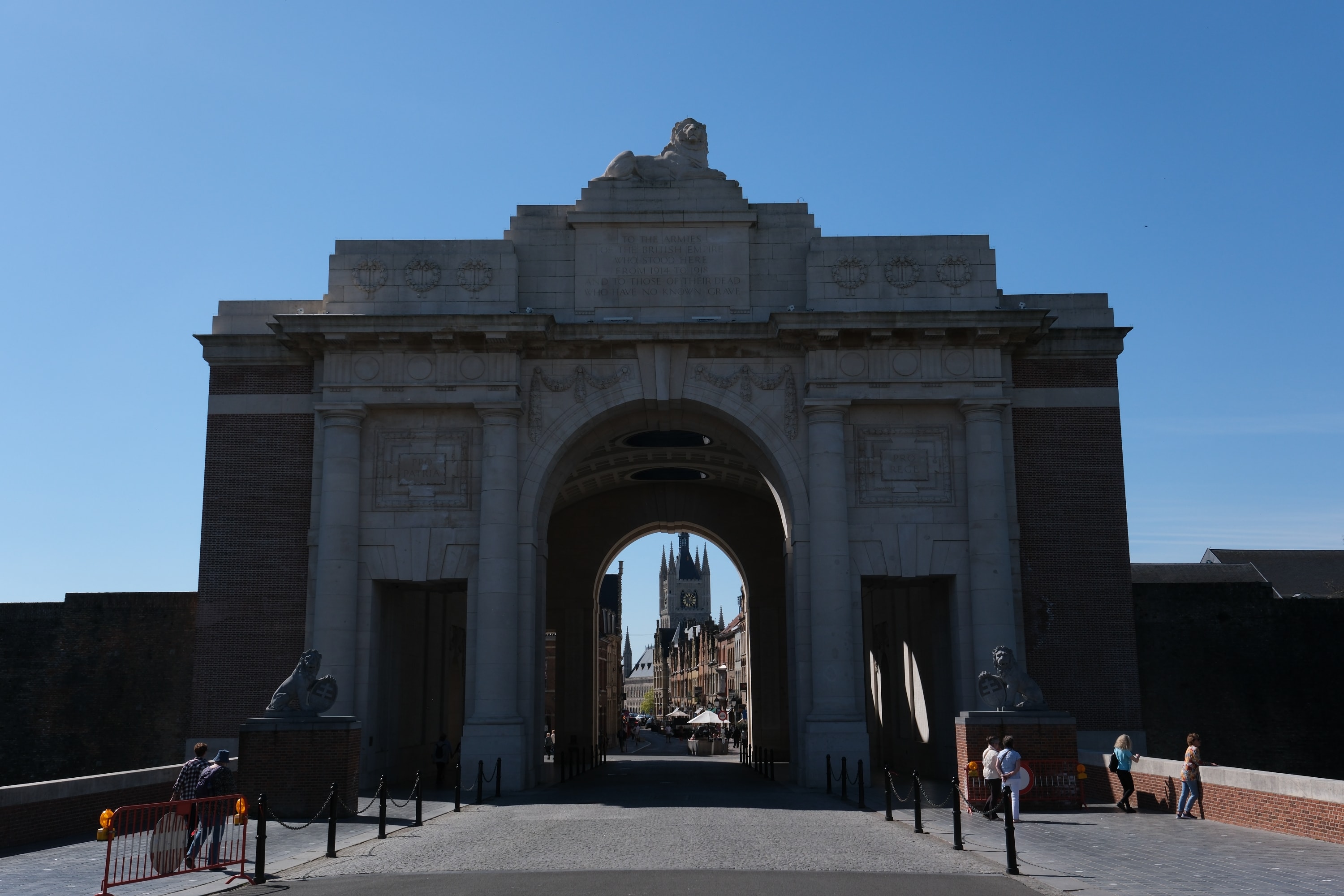
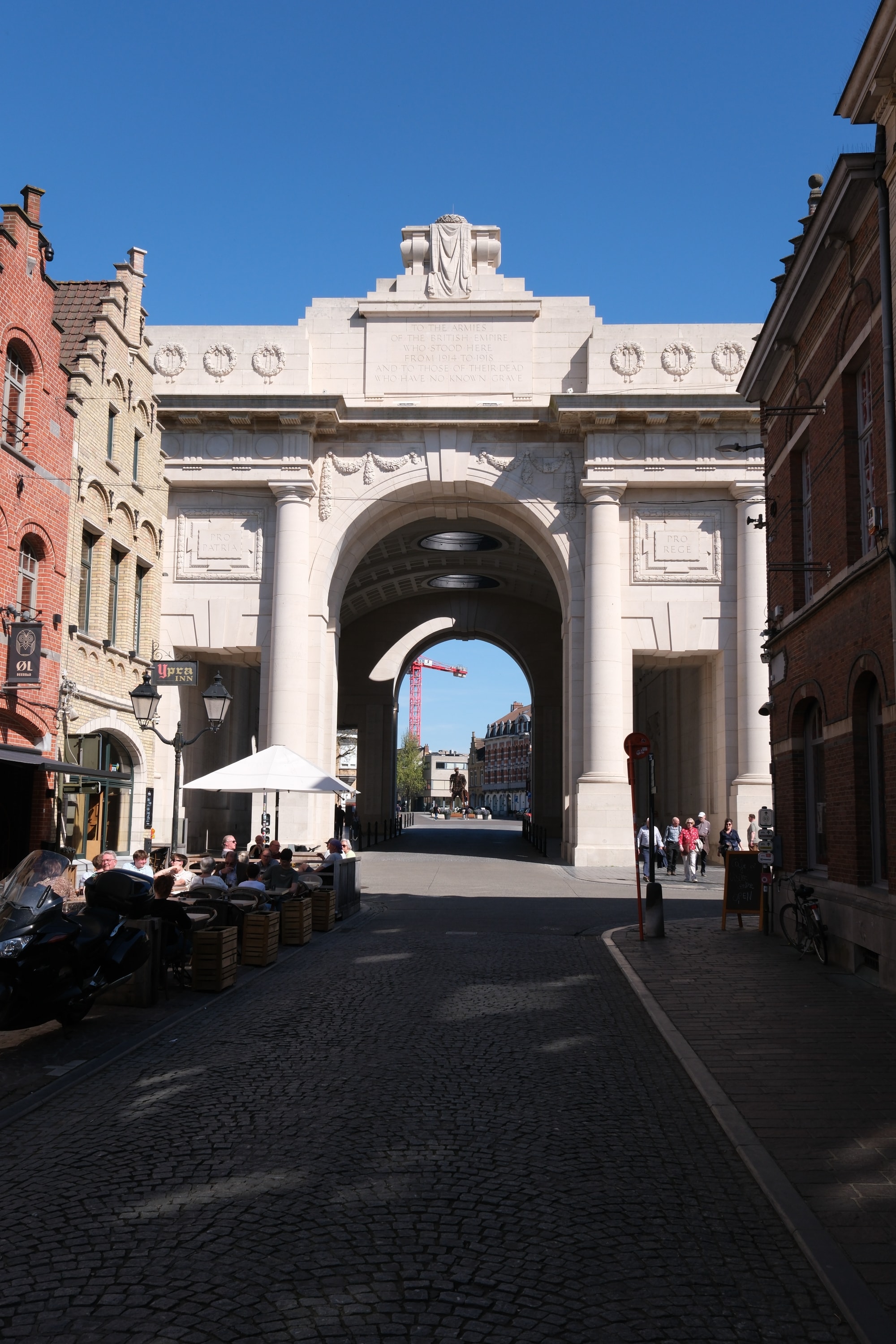
After the war, Winston Churchill proposed to leave Ypres as a mausoleum, with the rightful owners to be deprived from regaining their land. By early September 1920, the decision had been made by the British Government that the Menin Gate and its immediate surroundings would be used as a memorial, by which time, the Belgians had already begun to rebuild the area. After the war the town was extensively rebuilt with the main square, including the Cloth Hall and town hall, being rebuilt as close to the original designs as possible.
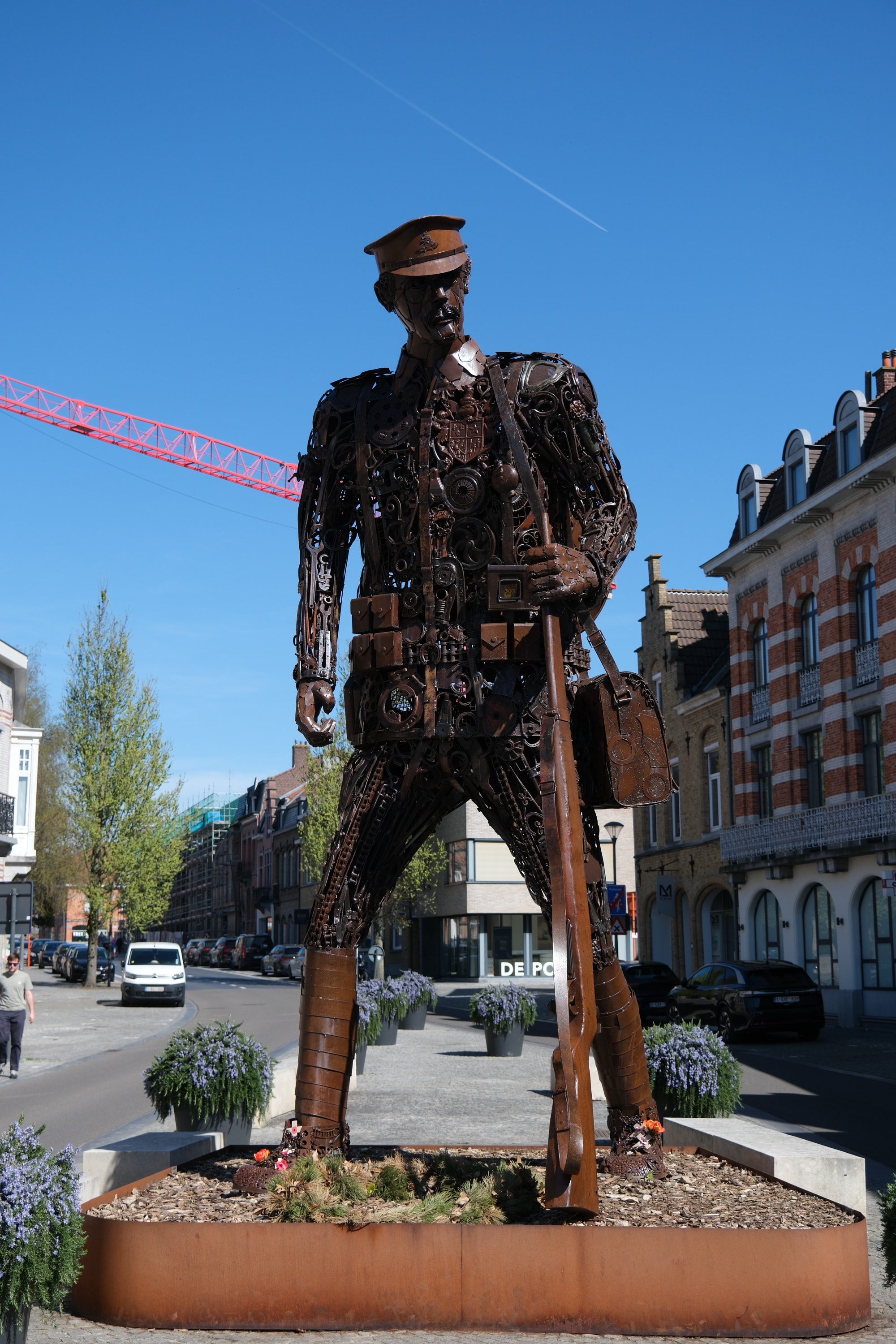
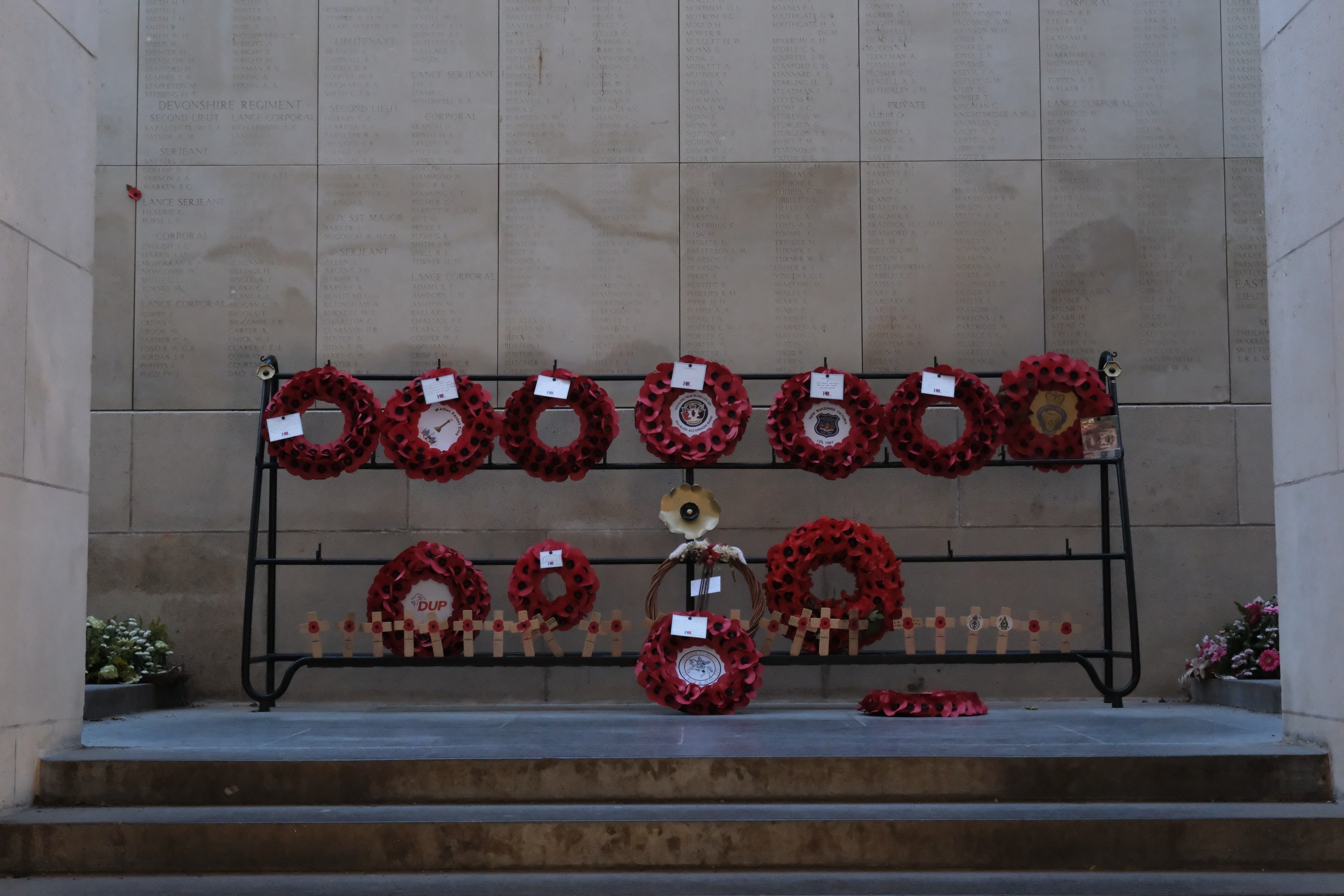
Below is a selection of photos taken during a visit to Ypres on april 8th 2026. Click on a small photo for a larger view, then select the next one with the cursor keys or the arrows on either side of the photo.