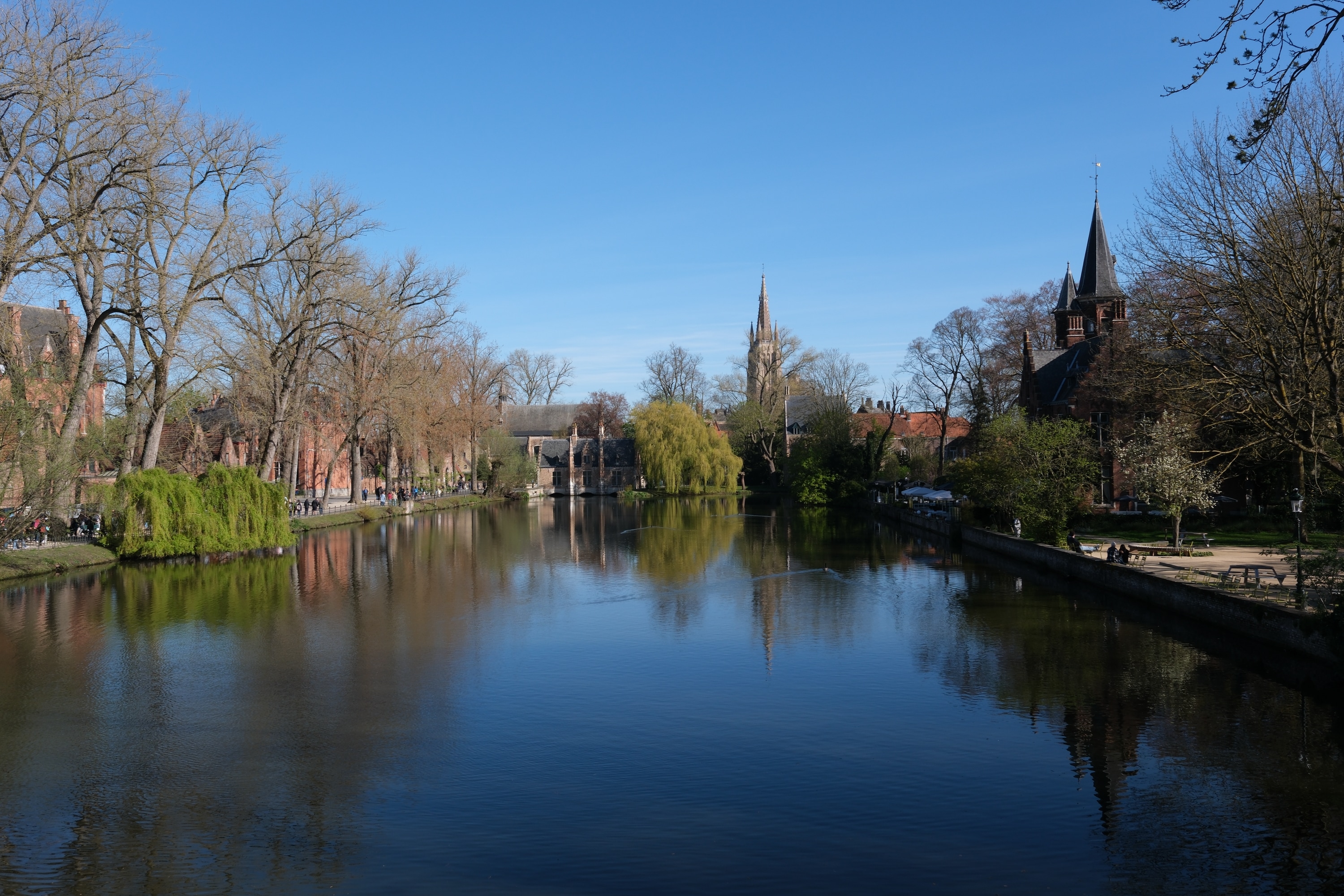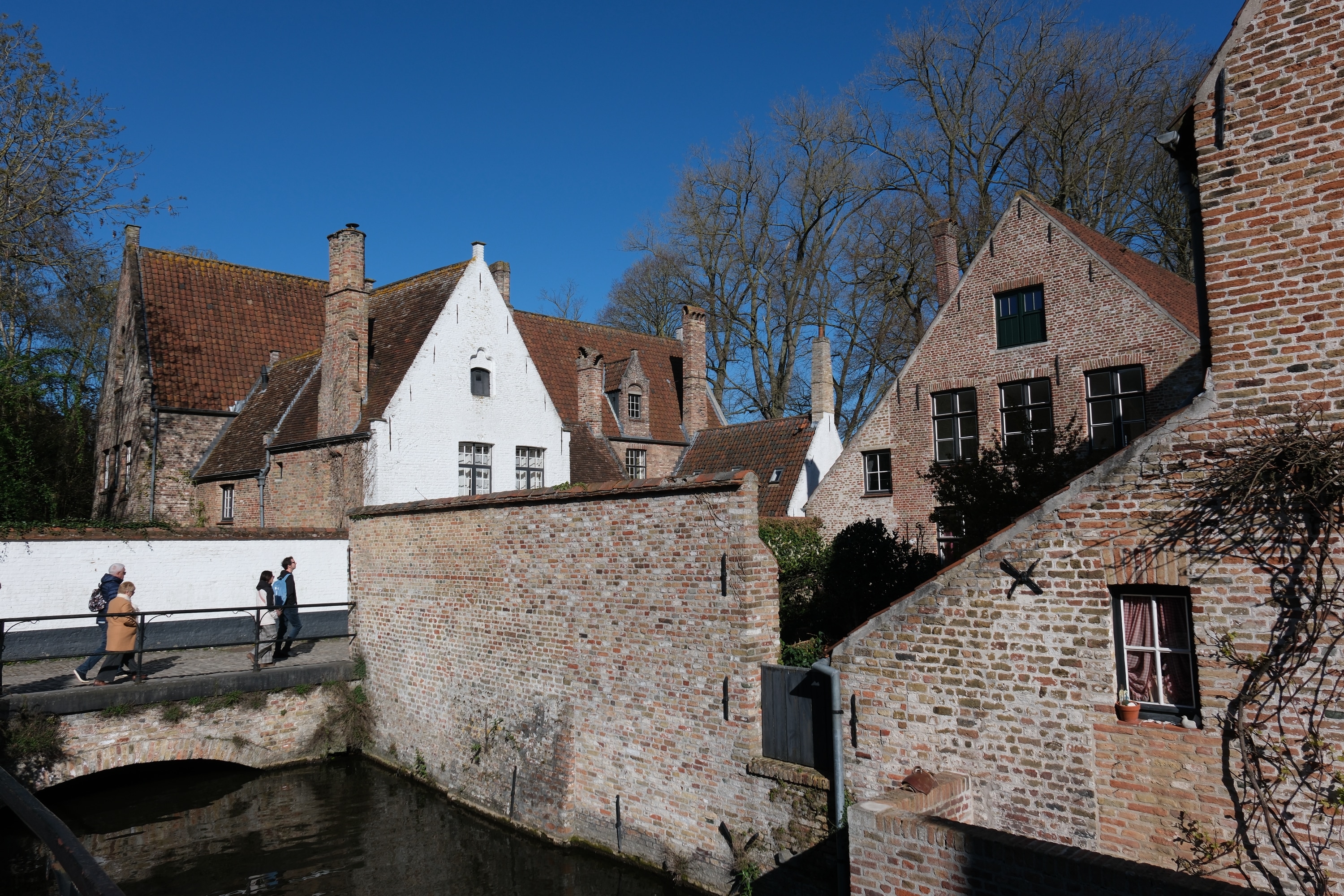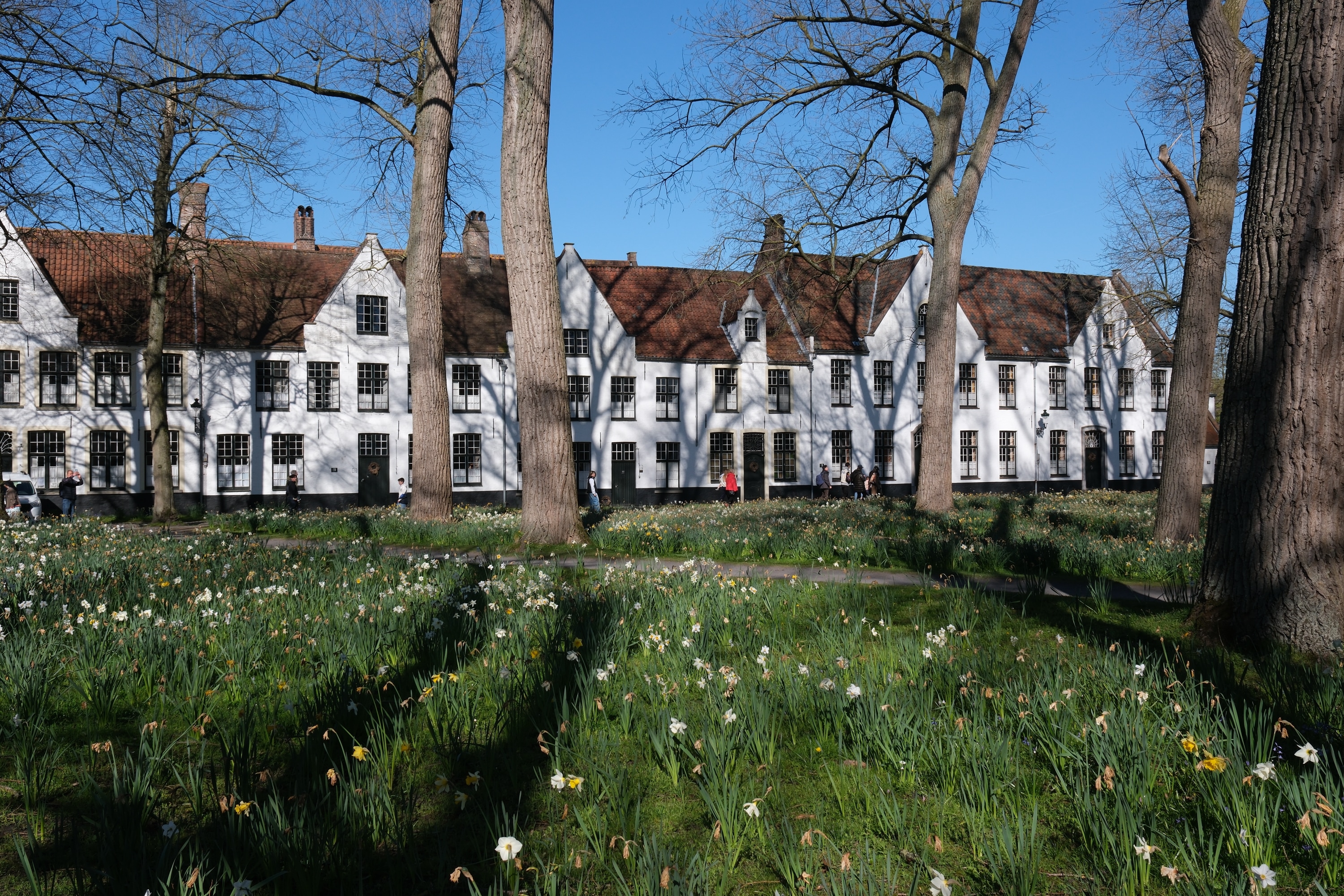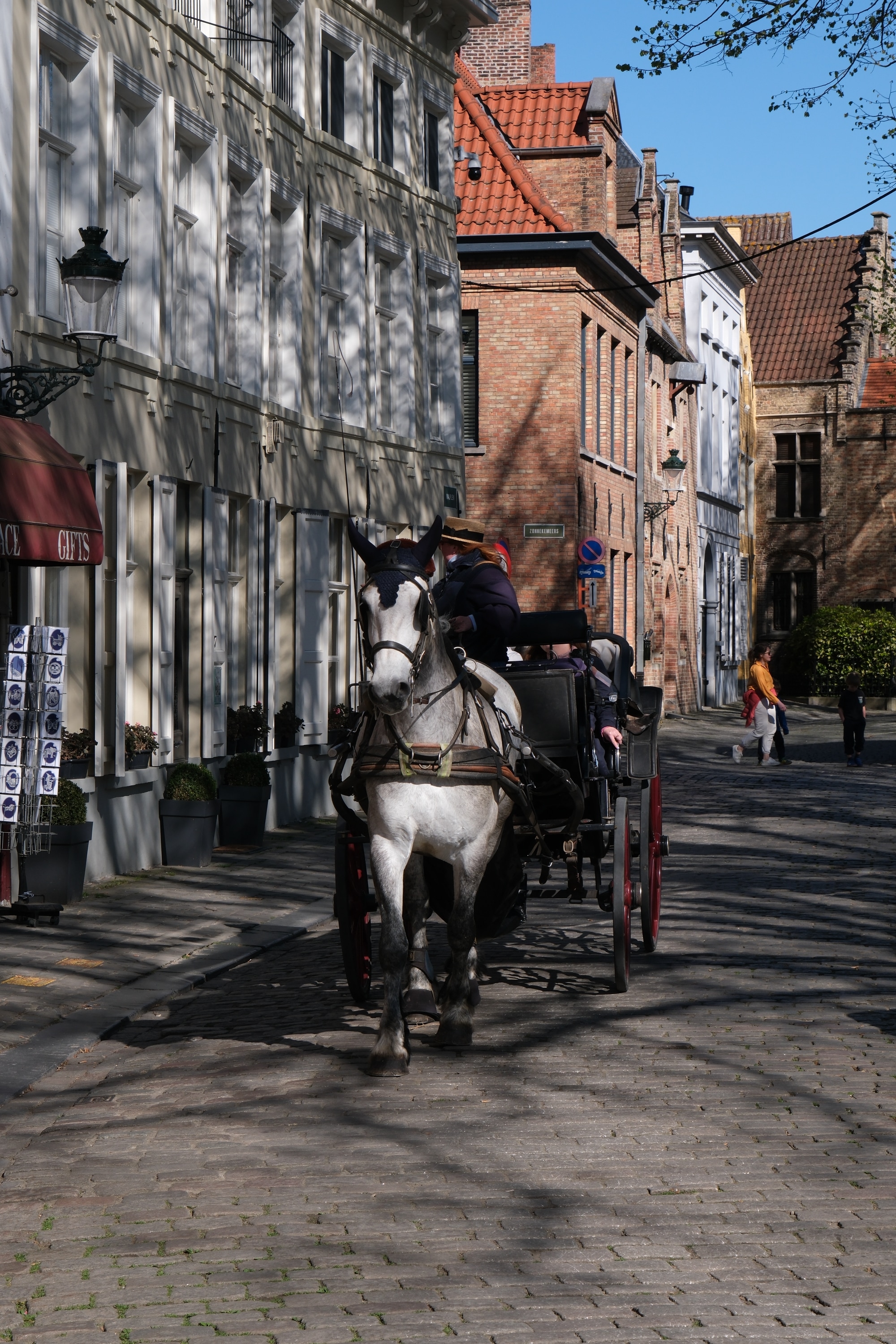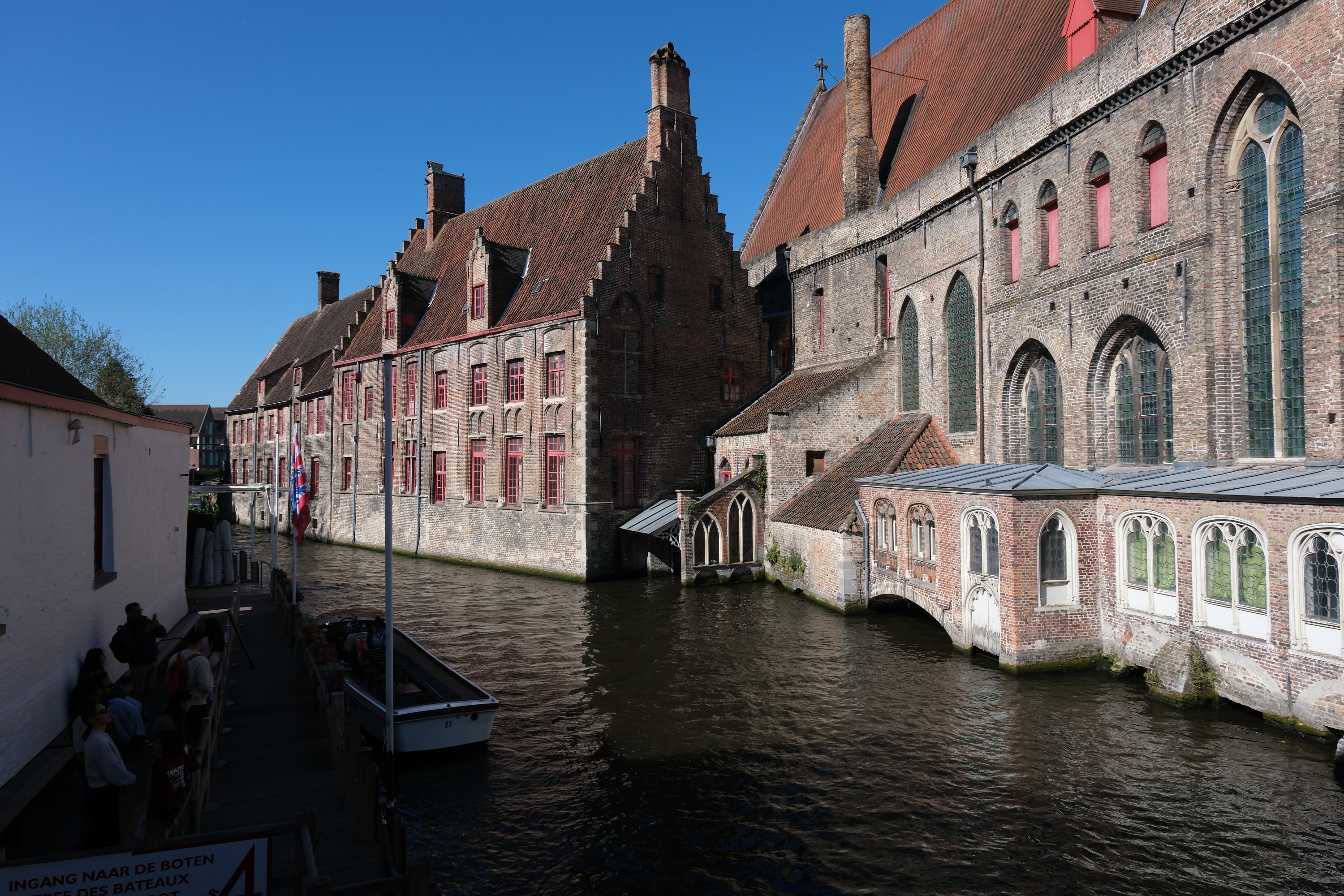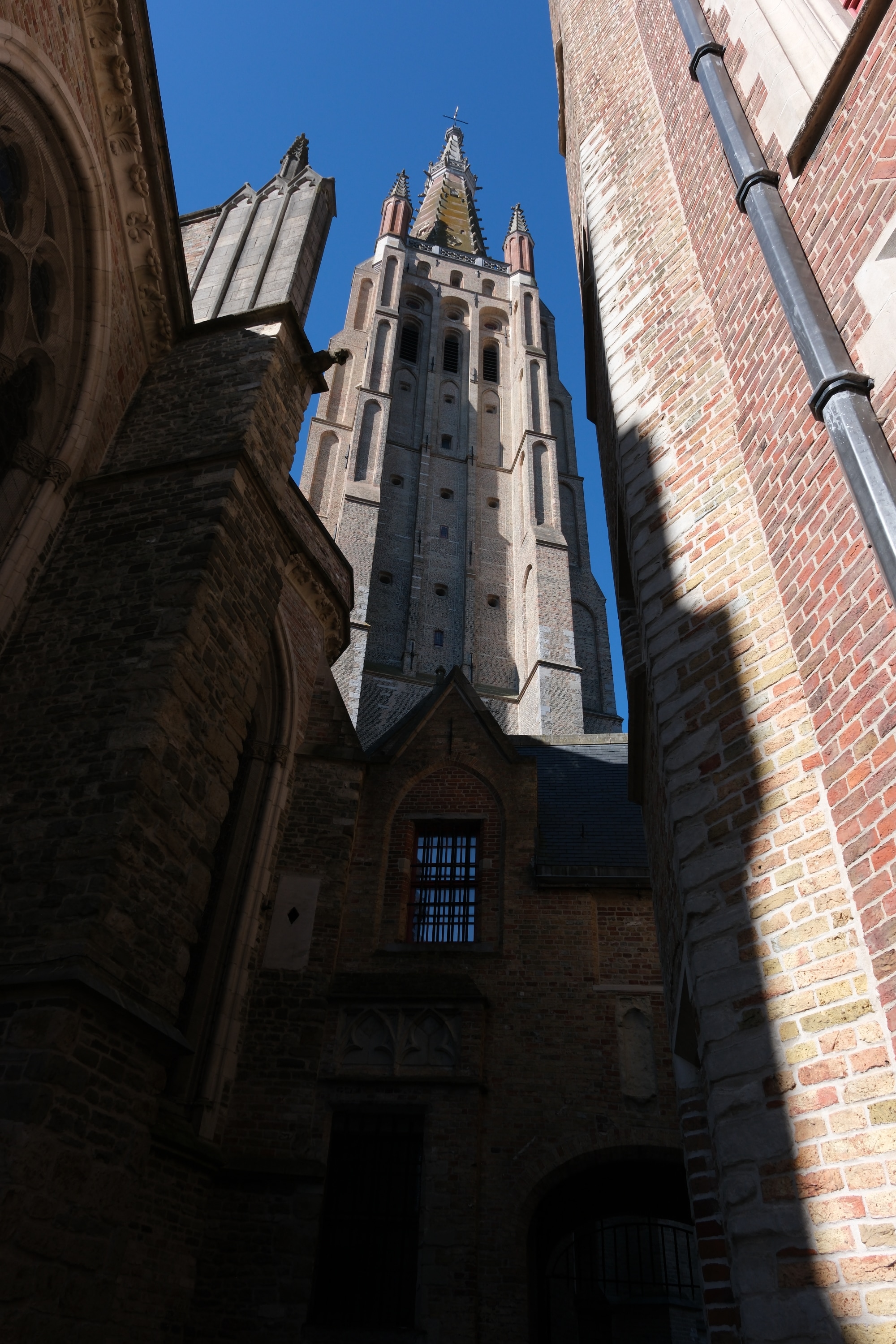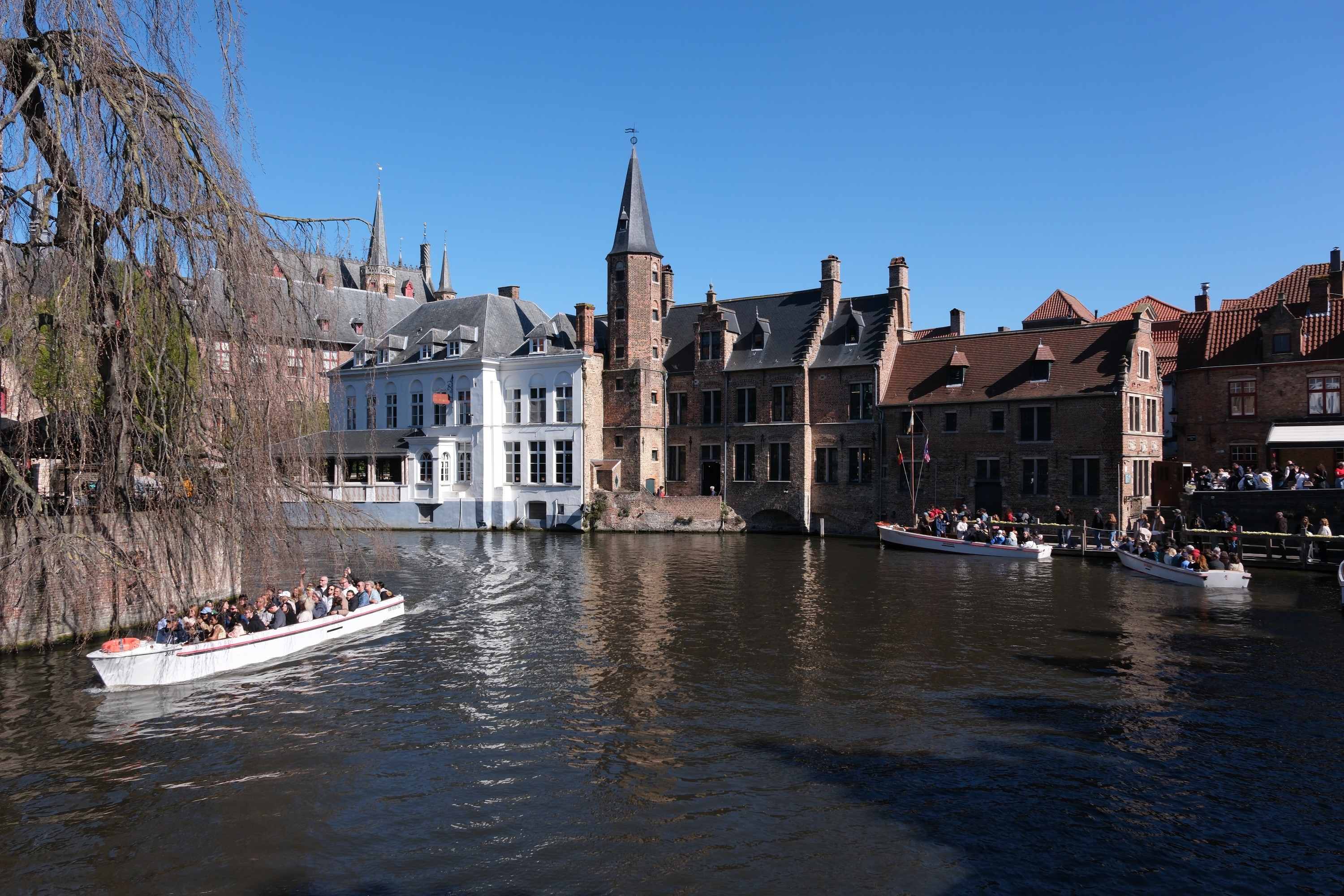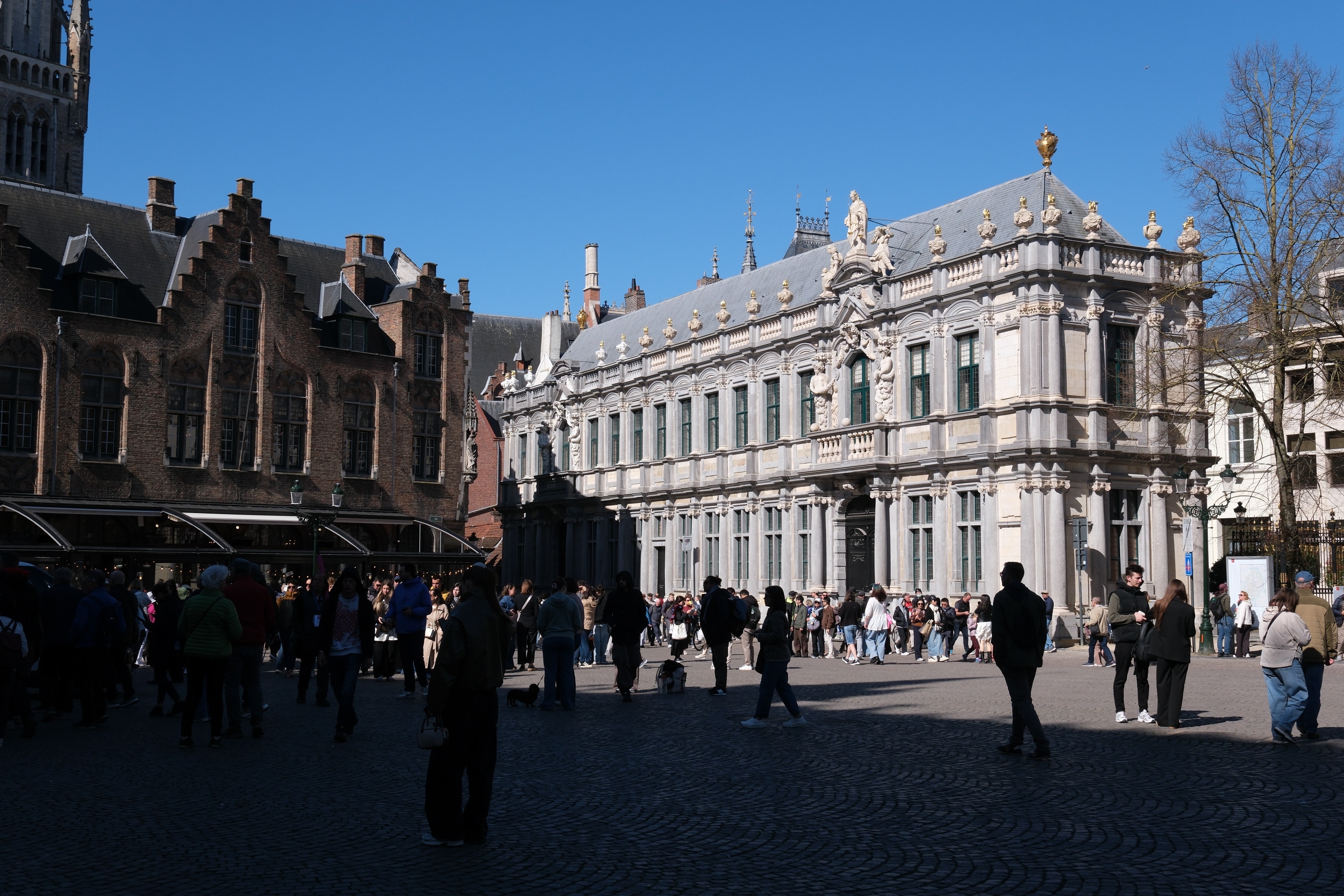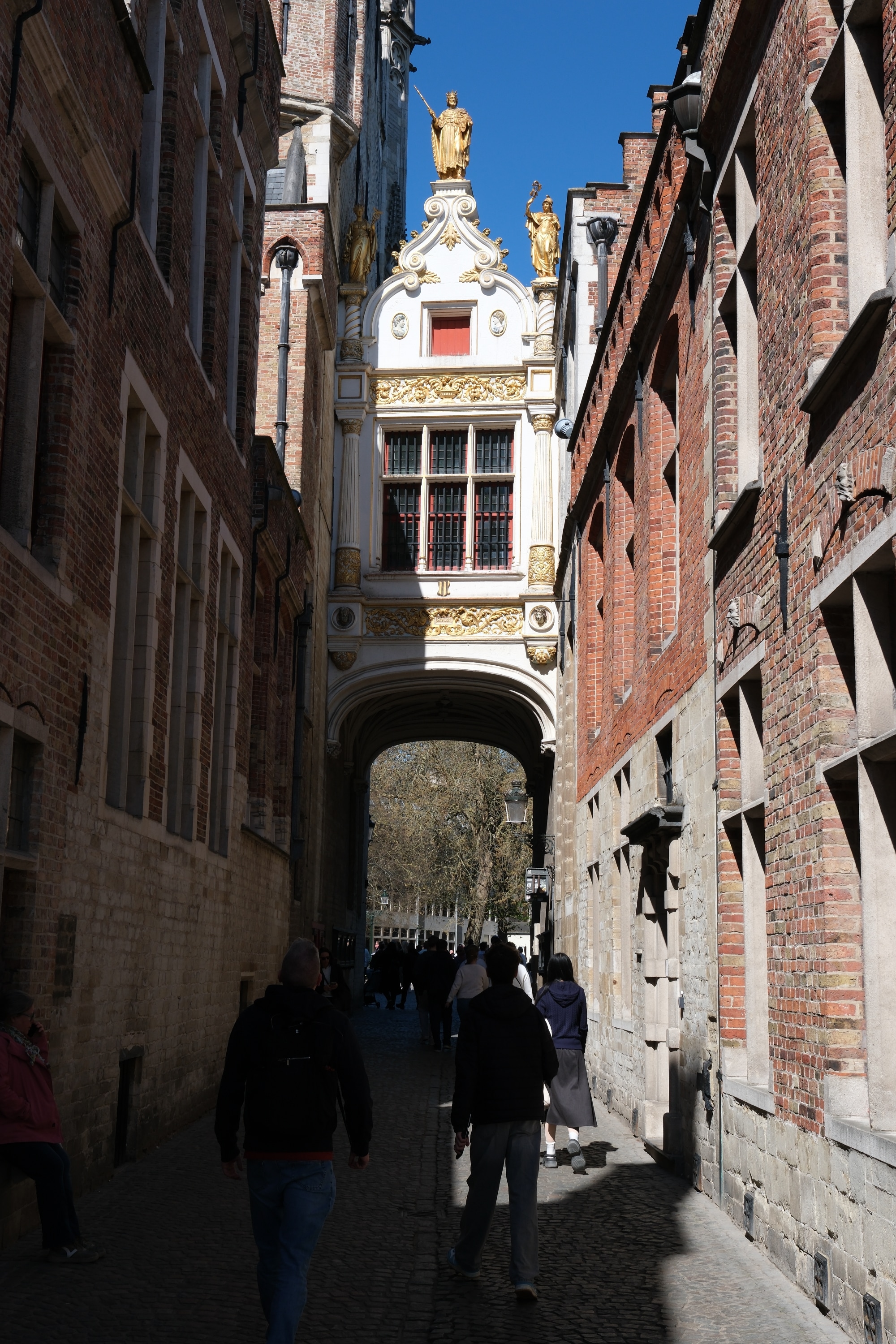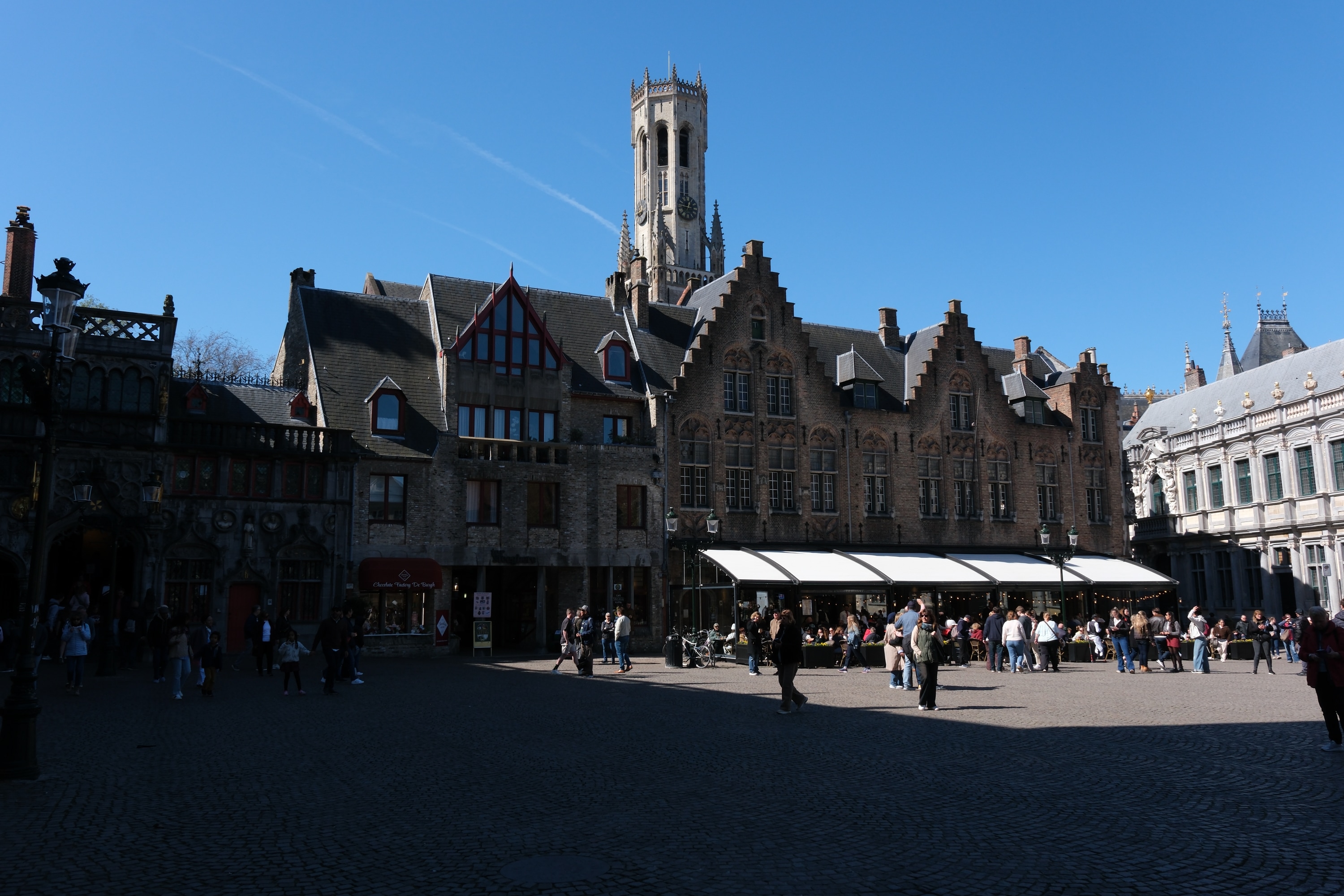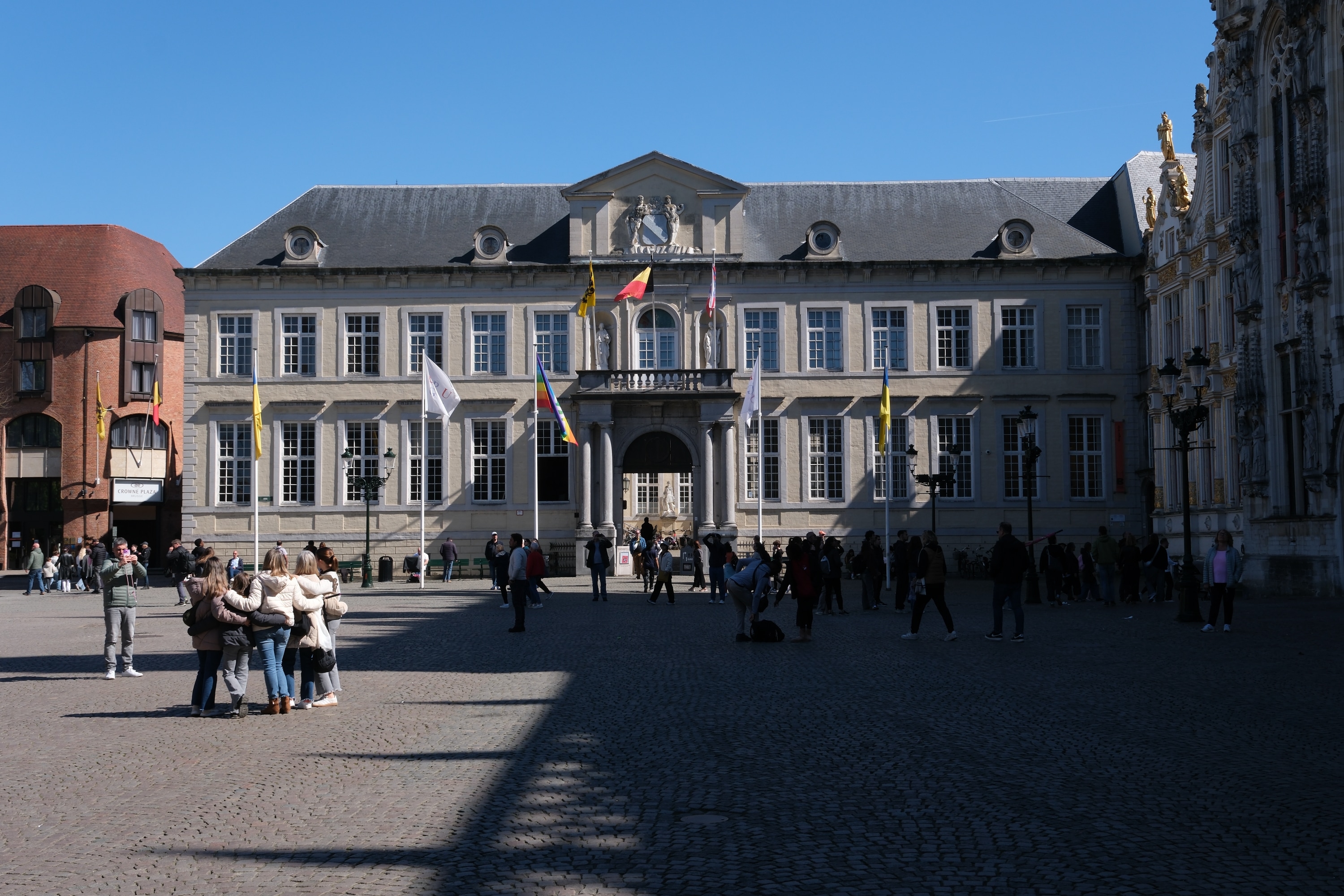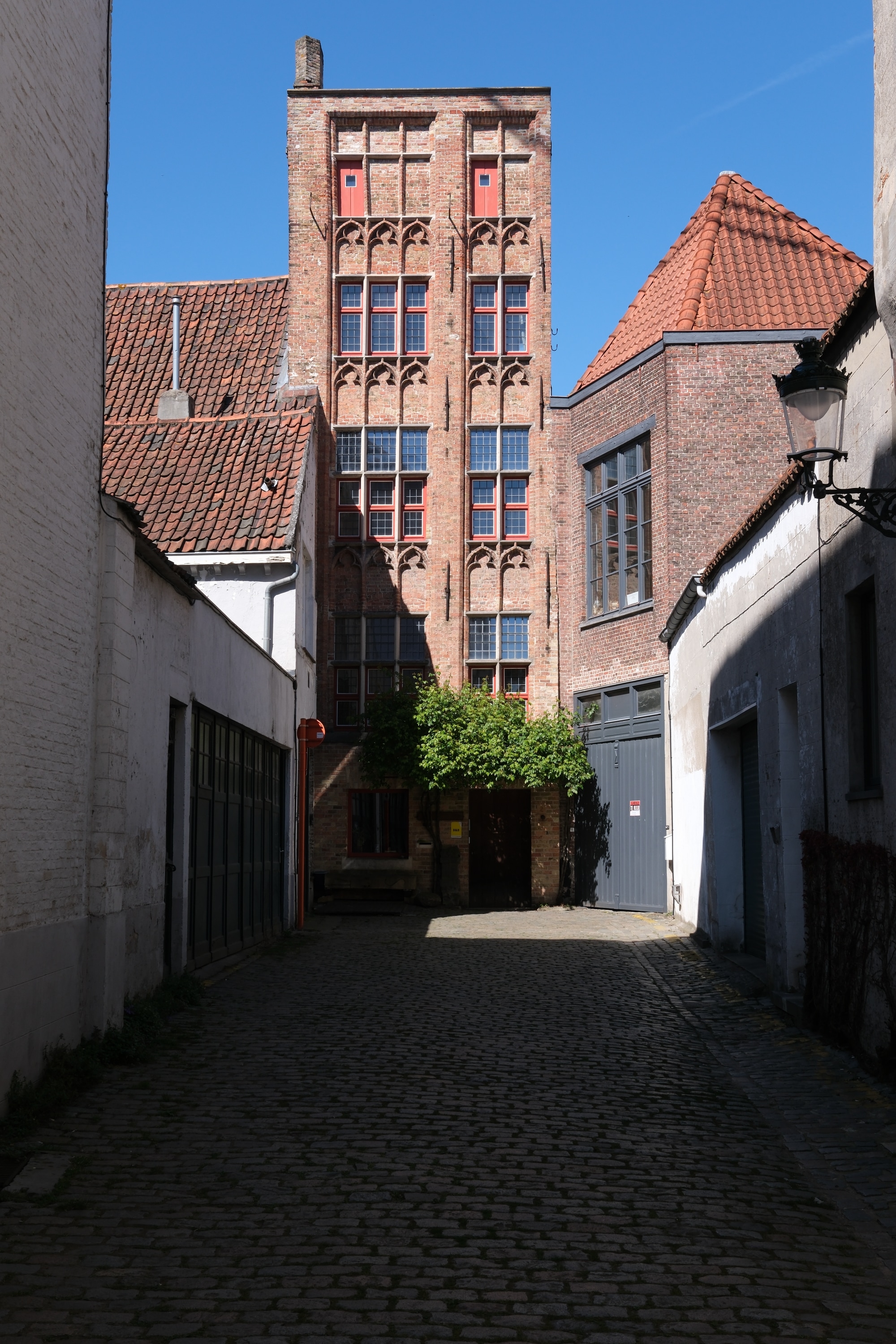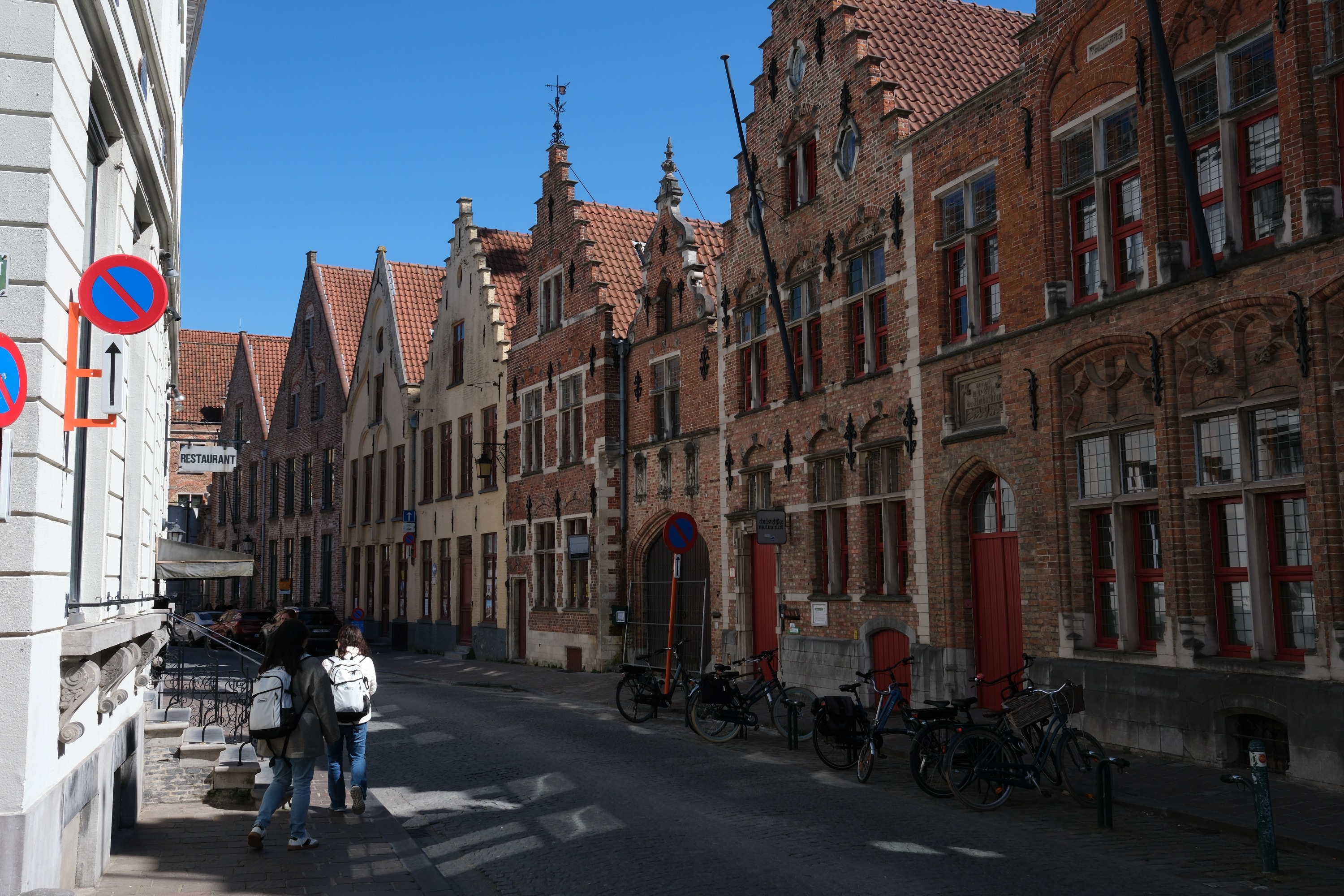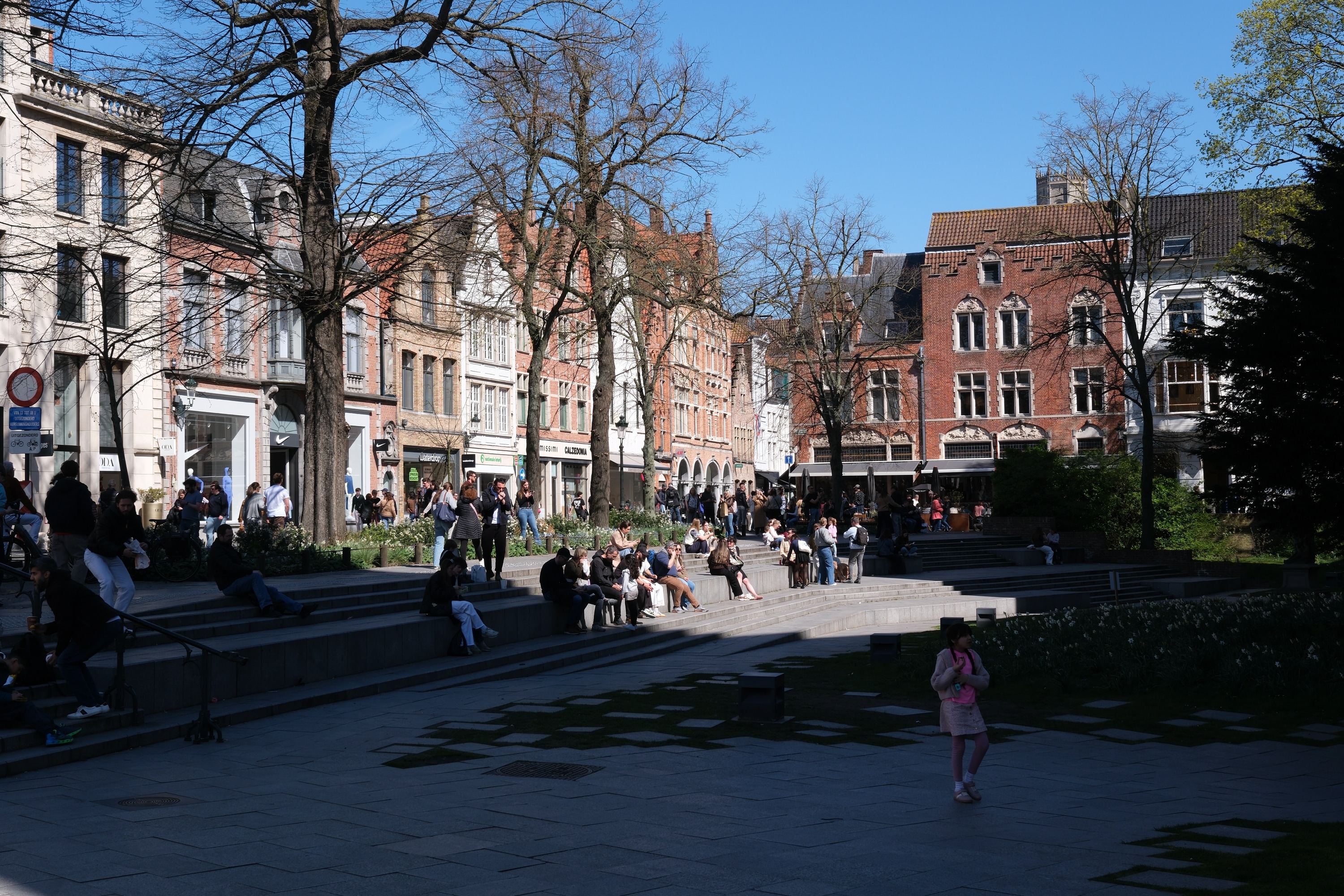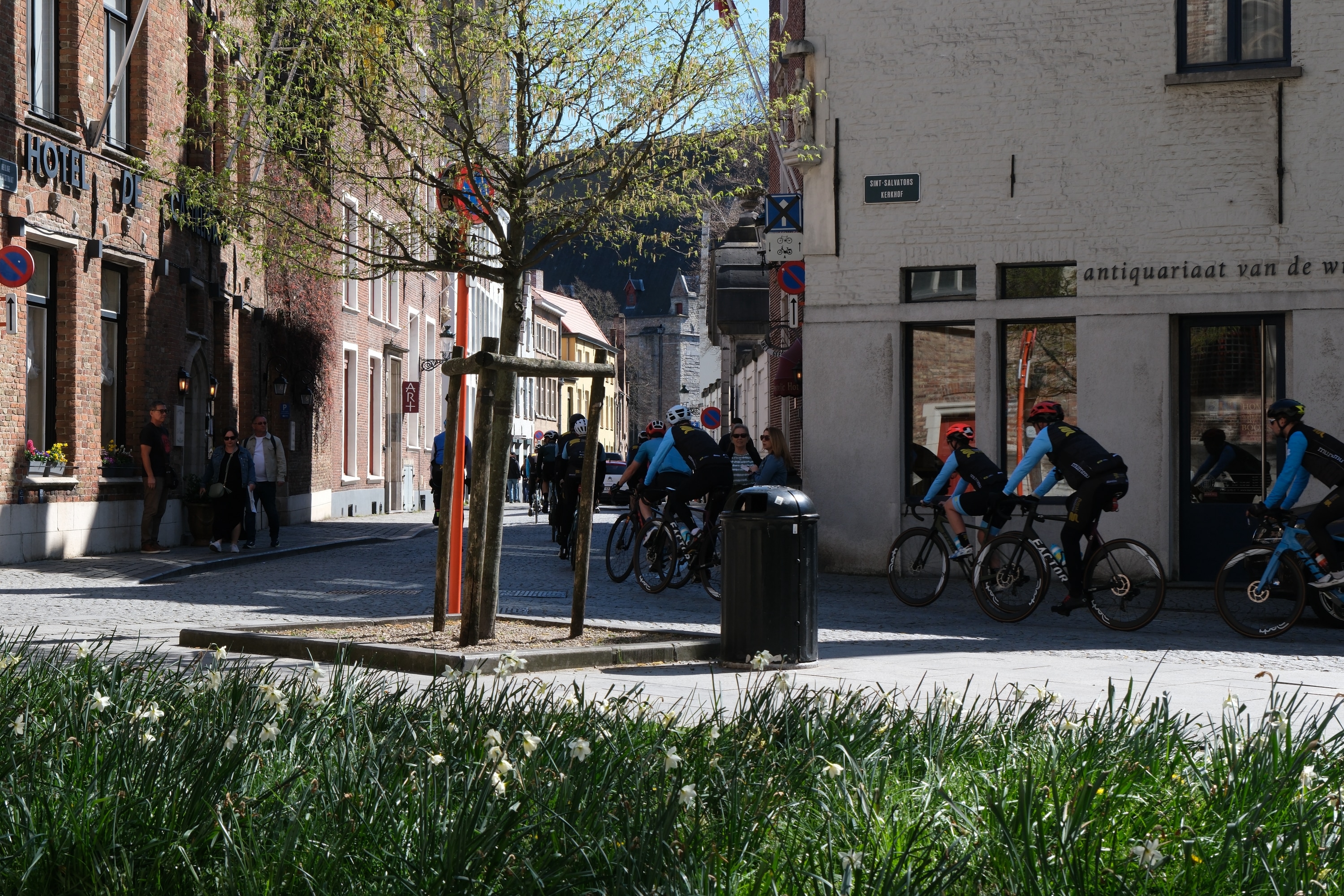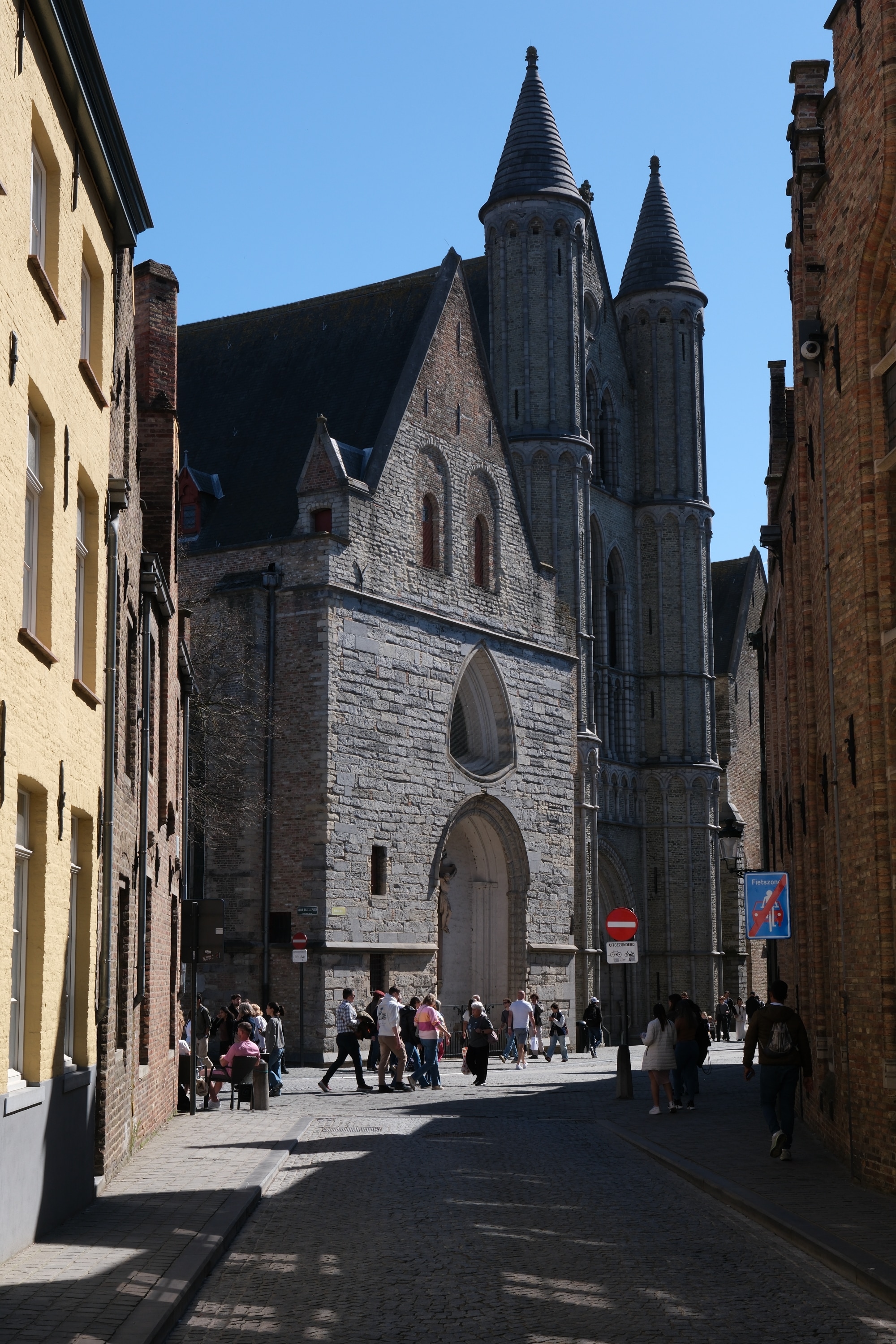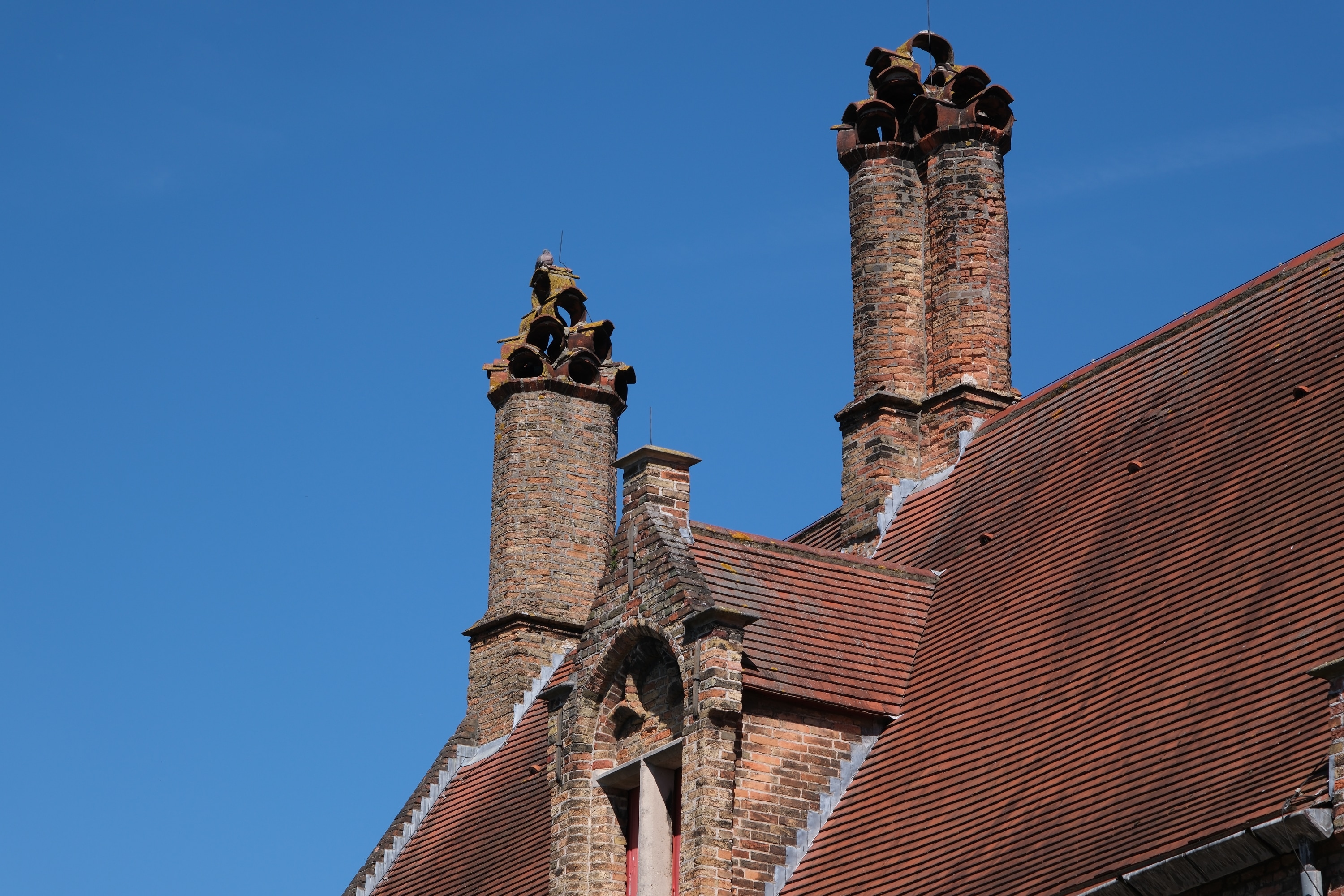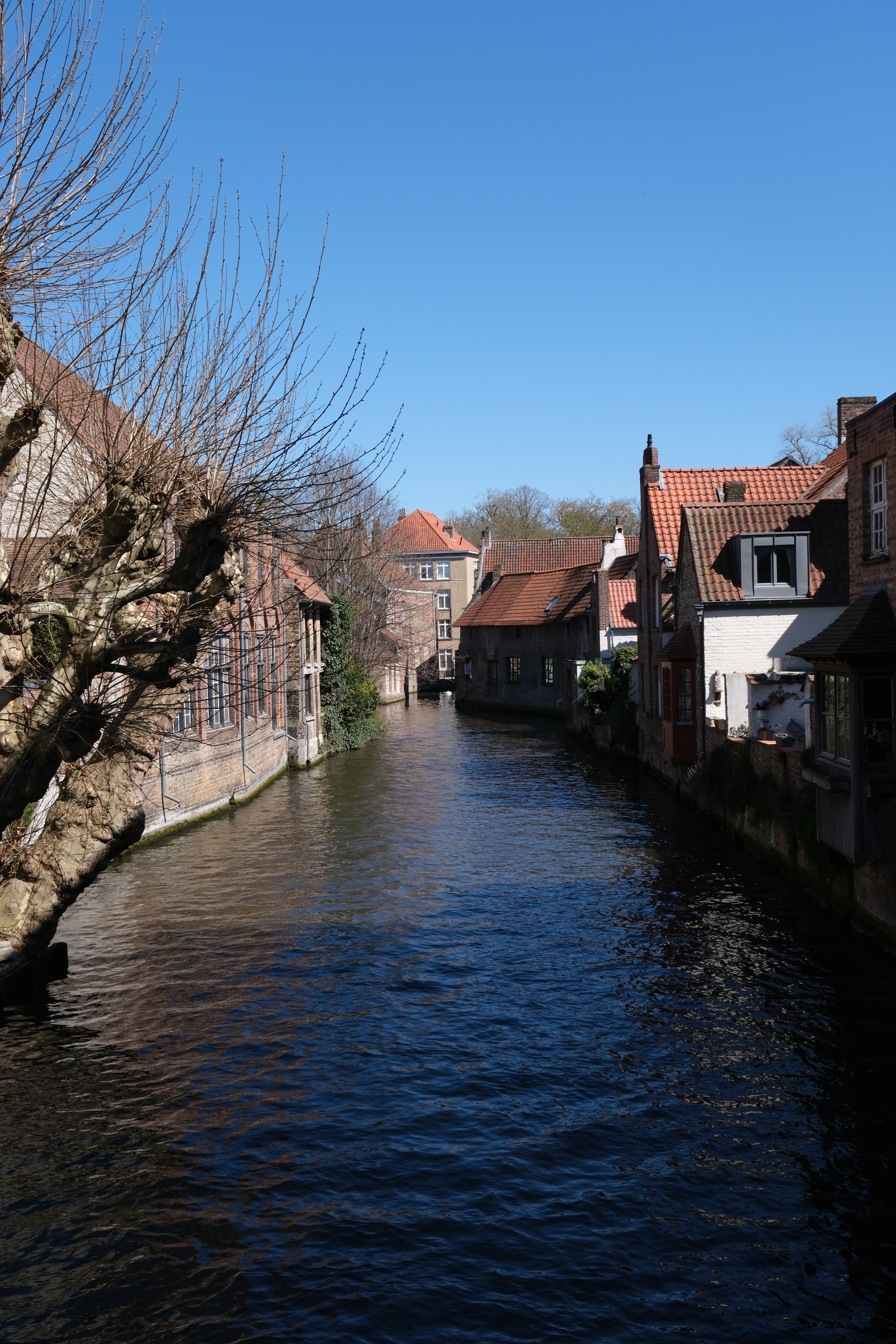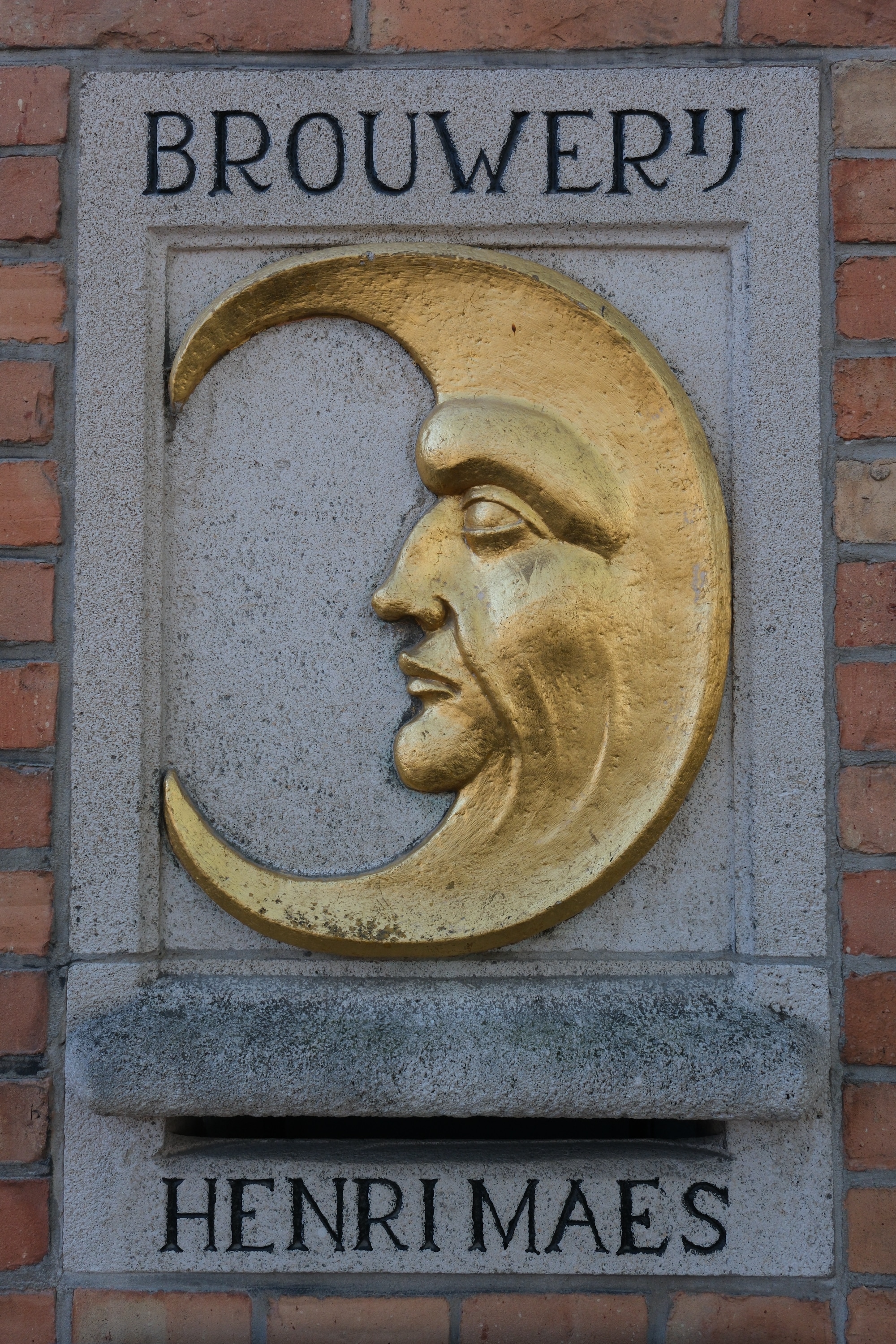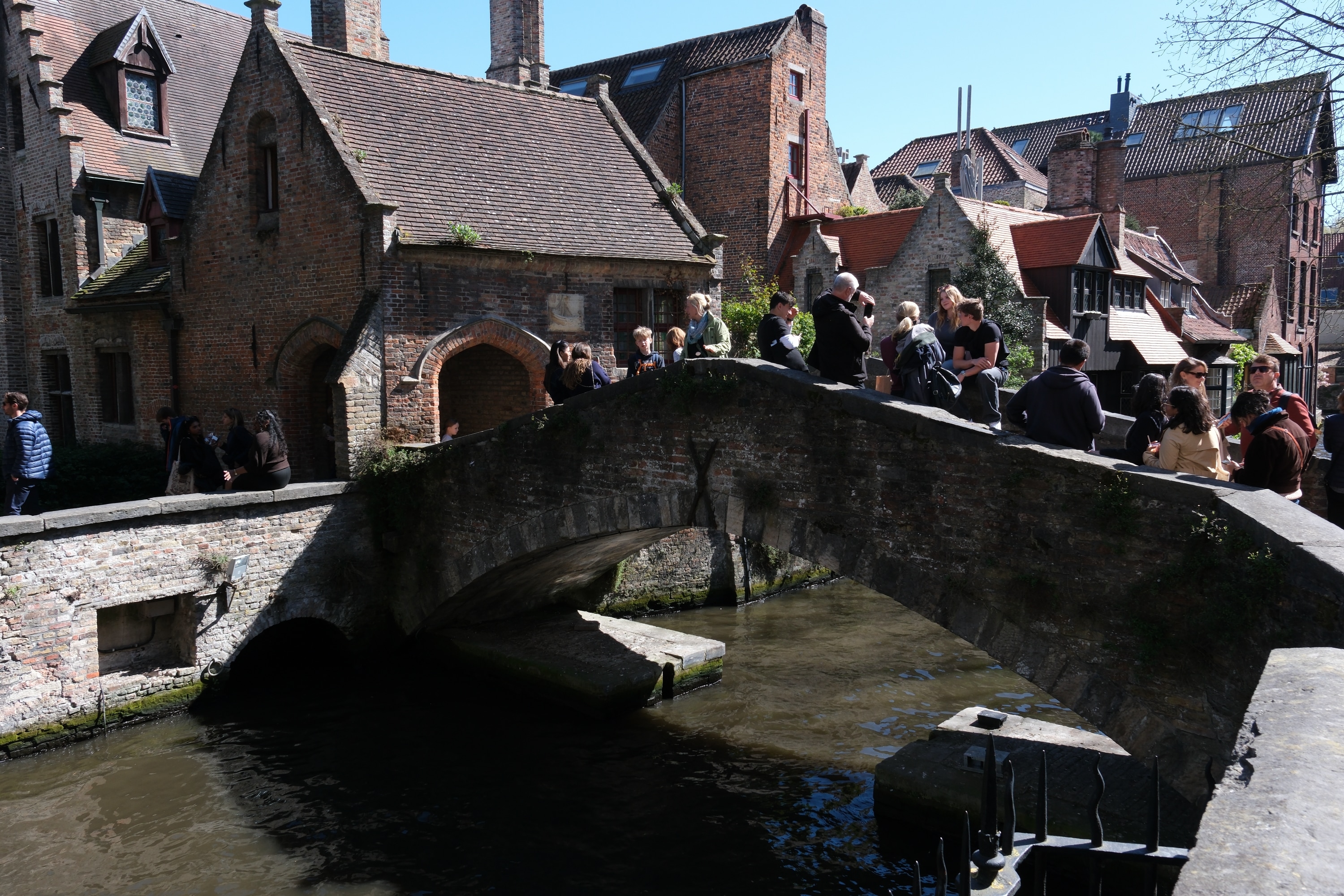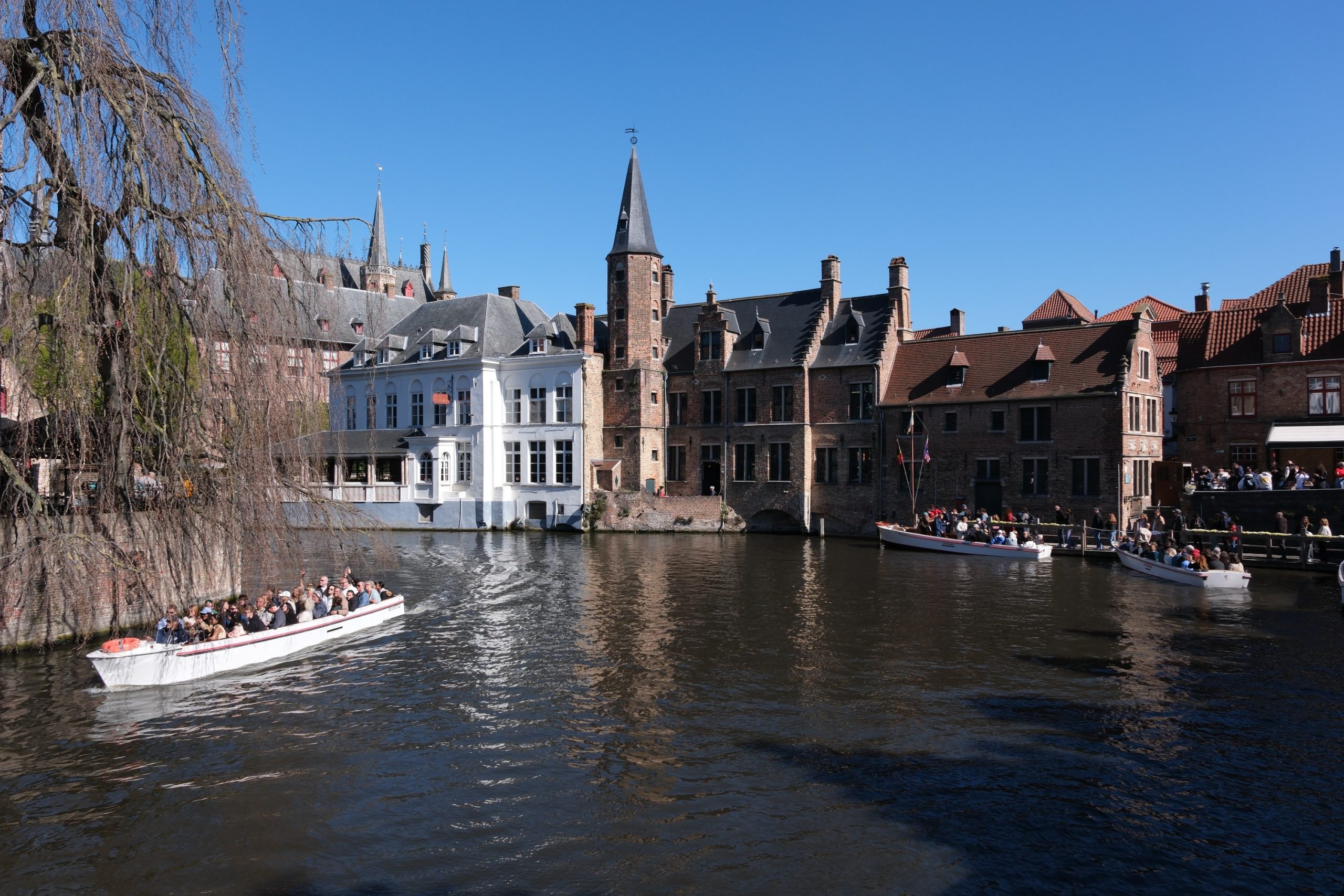
Bruges is the capital and largest city of the province of West Flanders, in the Flemish Region of Belgium. The historic city center is a prominent World Heritage Site of UNESCO. It is oval and about 430 hectares in size. Along with a few other canal-based northern cities, such as Amsterdam and Saint Petersburg, it is sometimes referred to as the Venice of the North.
In the Bruges area, the first fortifications were built after Julius Caesar’s conquest of the Menapii in the first century BC, to protect the coastal area against pirates. The Franks took over the whole region from the Gallo-Romans around the fourth century and administered it as the Pagus Flandrensis. In 1089, Bruges became the capital of the County of Flanders. Bruges received its city charter on 27 July 1128, and new walls and canals were built. By the 12th century, the city had gained an autonomous administration. During the 17th century, the lace industry took off, and various efforts to bring back the glorious past were made. During the 1650s, the city was the base for Charles II of England and his court in exile. The maritime infrastructure was modernized, and new connections with the sea were built, but without much success, as Antwerp became increasingly dominant. Bruges became impoverished and gradually faded in importance.
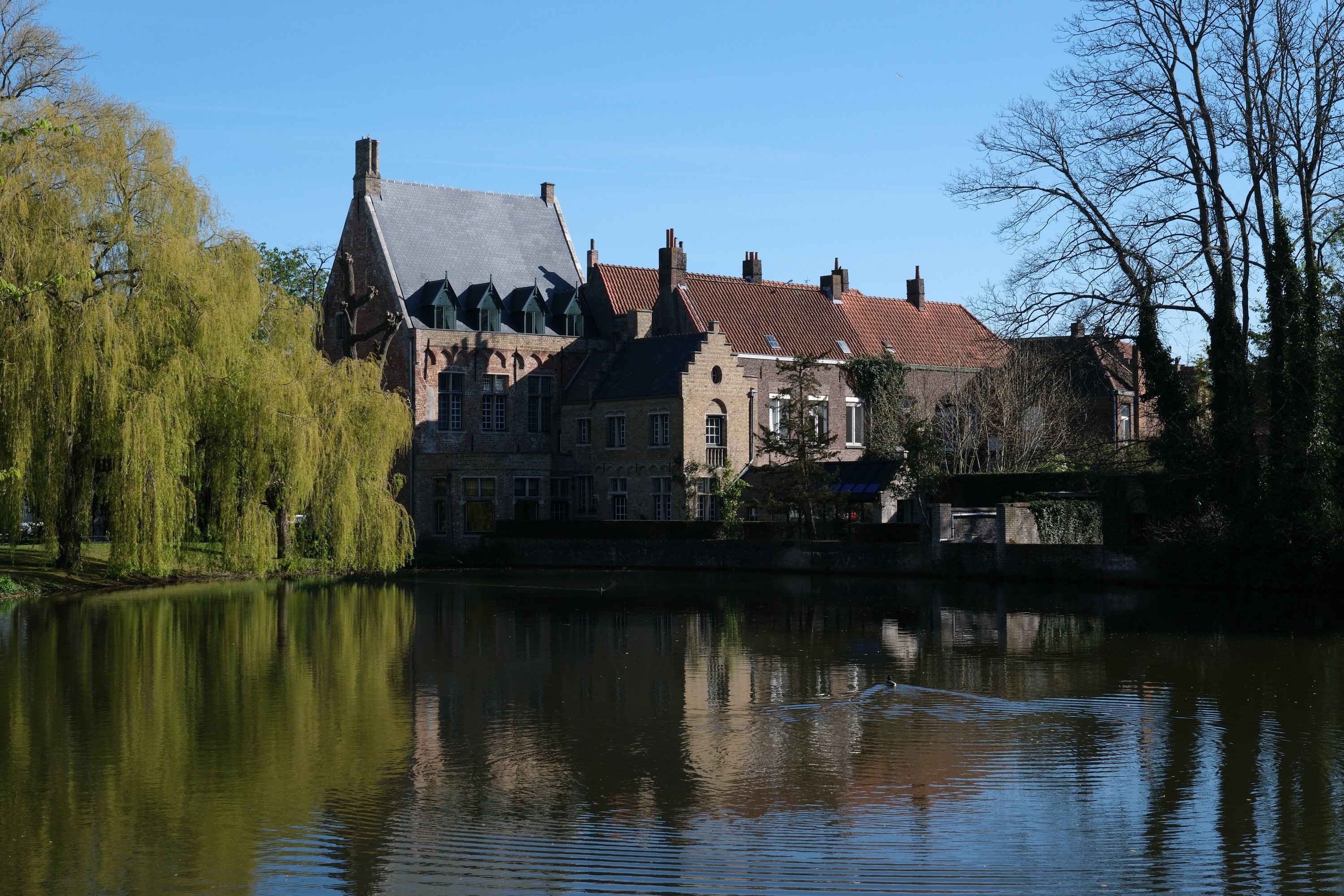
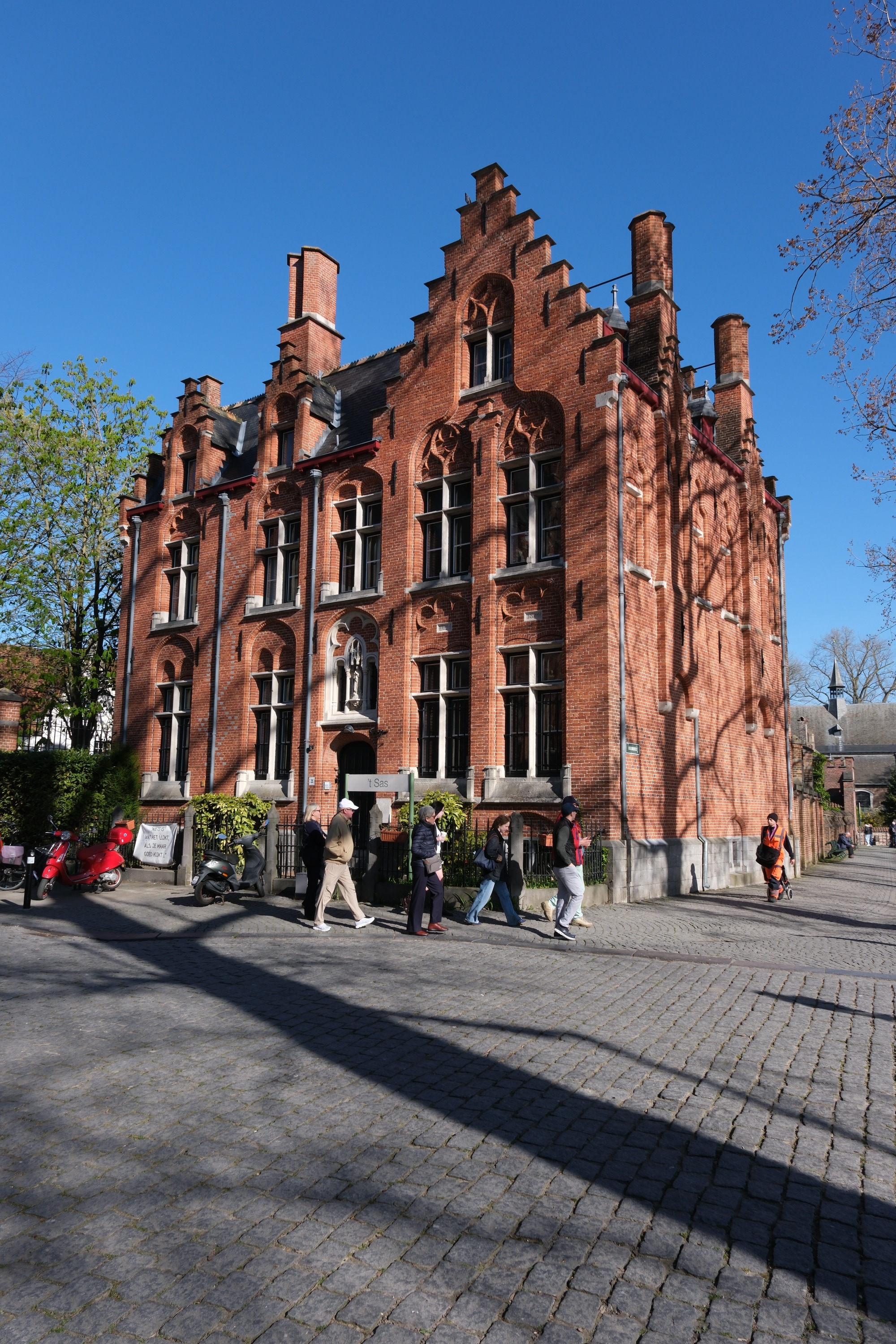
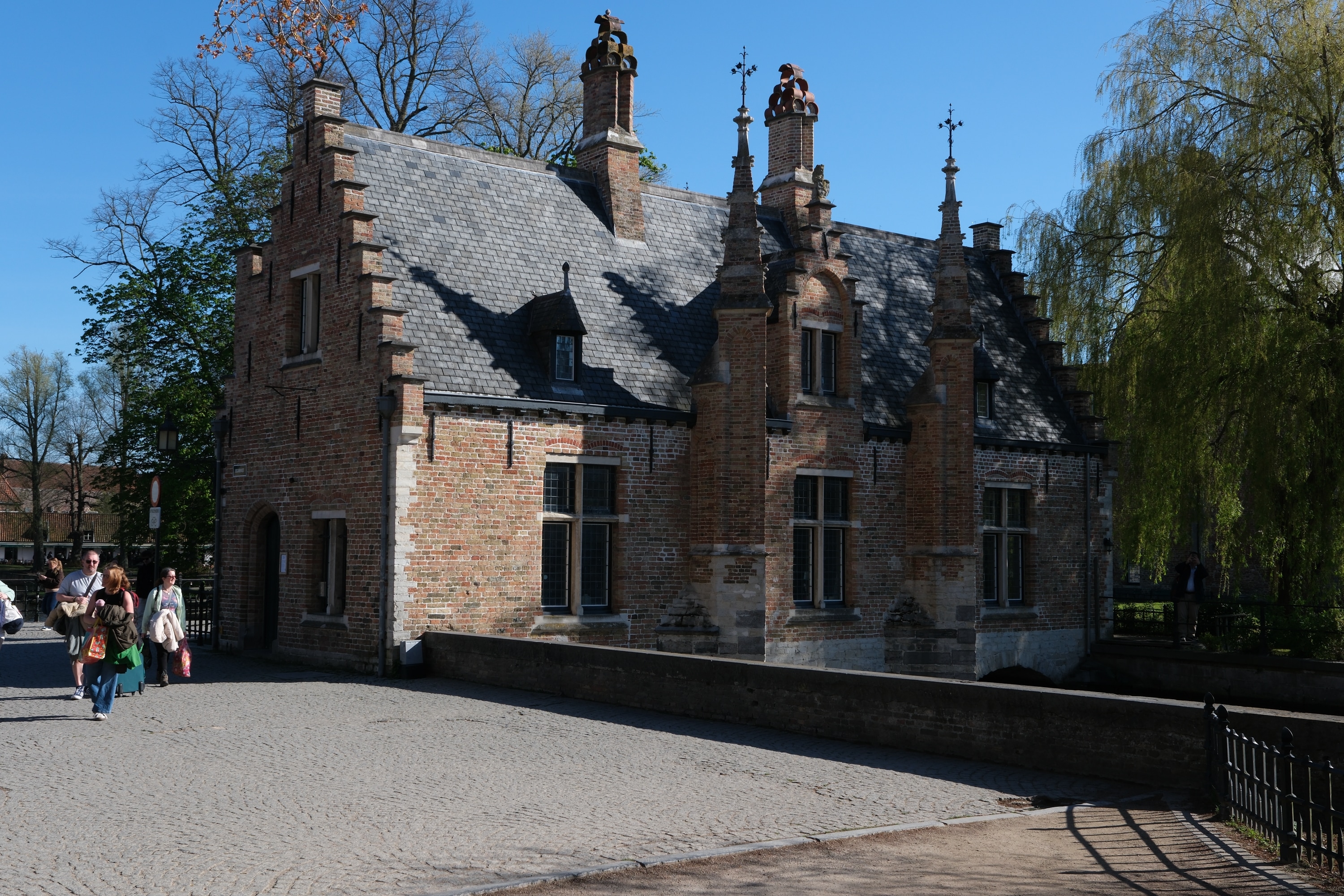
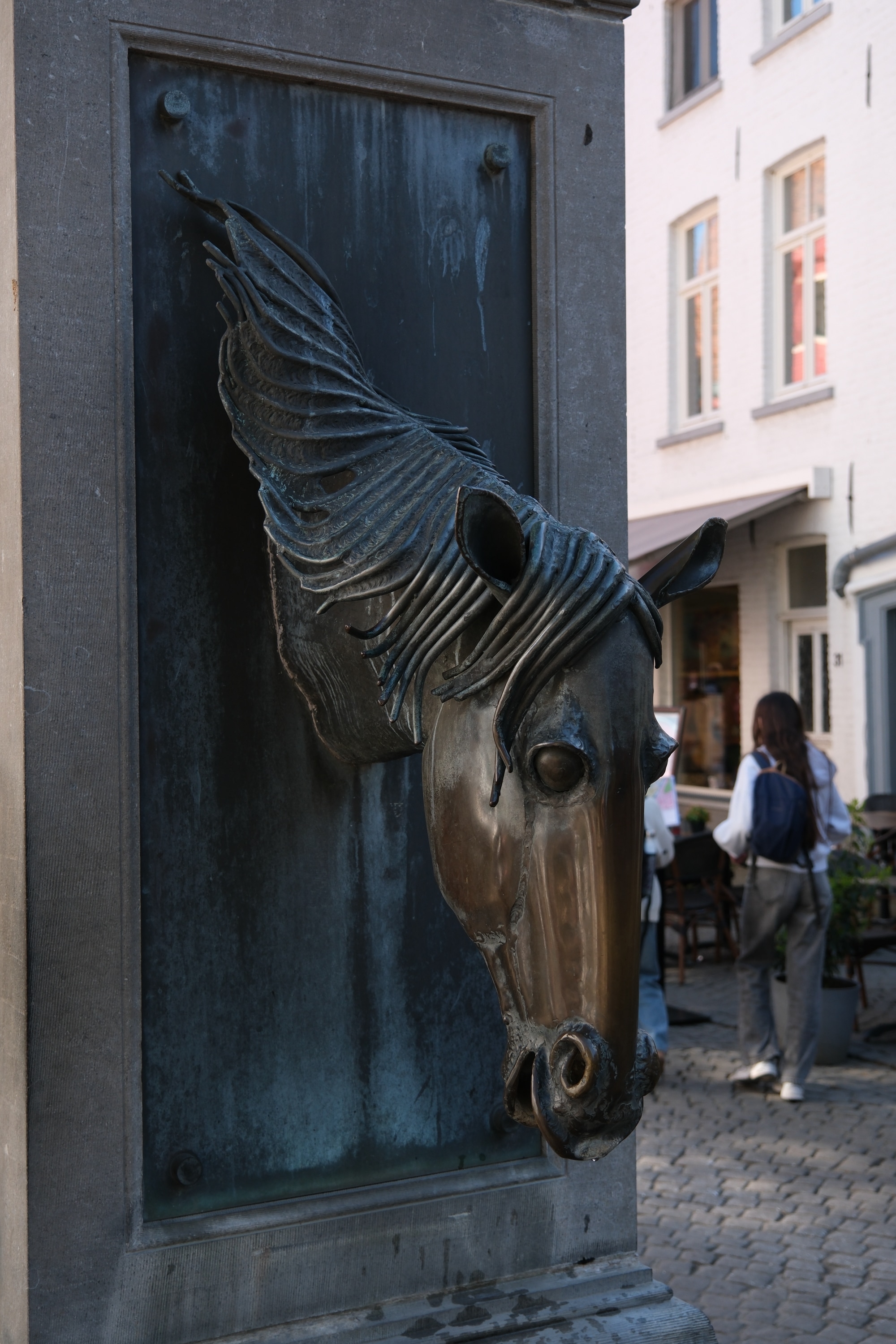
Below is a selection of photos taken during a visit to Brugge on april 7th 2026. Click on a small photo for a larger view, then select the next one with the cursor keys or the arrows on either side of the photo.